Westminster splits its utilities in a way almost nowhere else does: the city supplies your water, but your sewer belongs to an independent special district formed in 1939. Knowing which agency owns what saves a lot of wasted calls.










Westminster has the most unusual utility arrangement of anywhere we cover, and it catches people out. Water comes from the City of Westminster Water Division, which runs ten groundwater wells and three import connections - typically about 75% local groundwater from the Orange County basin managed by OCWD, with the remaining 25% imported from Northern California and the Colorado River through MWDOC. Sewer, however, is not the city at all. The Midway City Sanitary District is an independent special district formed in January 1939 under the Sanitary District Act of 1923, and it serves every Westminster and Midway City resident and business across 10.4 square miles with 174 miles of wastewater mains and four sewage lift stations. Water problem, call the city. Sewer problem, call the district.
The housing is postwar tract development, and the timeline explains it. Westminster grew from about 2,500 people in 1942 to nearly 10,800 by 1956 as servicemen stationed in Southern California stayed on, and large housing tracts went up across what had been agricultural land. The city incorporated in 1957 as California's 337th. Across 27,650 housing units the median construction year is 1971, so copper supply and ABS drain line are the norm rather than galvanized and cast iron - though the homes built from the late 1970s onward fall into the window where polybutylene supply pipe was used. About 57.8% of occupied units are owner-occupied and 42.2% rented.
Then there is Little Saigon, which is a genuine plumbing variable rather than just local colour. Westminster hosts the largest Vietnamese business district in the United States, and a dense concentration of restaurants and food businesses changes what goes down the drains. Fats, oils and grease are the single biggest cause of recurring blockages in commercial food service, and grease that congeals in a lateral will keep coming back until the line is properly cleared rather than merely reopened. Residential properties near heavy food-service corridors are not immune either, since laterals share the same mains.
Reliable Plumber Wilmington covers Westminster and Midway City across west Orange County. We handle drain cleaning, sewer line repair, leak detection, water heater work, repiping and the rest - diagnosis before price, camera evidence on sewer work, and the finding written down.
Building permits come from the City of Westminster, while sewer questions belong to the Midway City Sanitary District. None of the Los Angeles City programmes apply here - Westminster is in Orange County, so there is no LASAN lateral rebate and no LADWP billing adjustment. California requirements are unchanged statewide: SB 407 on fixtures during a remodel, the 80 psi pressure ceiling with a regulator above it, and water heater seismic strapping.
Grease is the defining drain problem in Westminster. With the largest Vietnamese business district in the country and the restaurant density that comes with it, fats and oils entering the system congeal and build up in a way that ordinary domestic waste does not. A line cleared by punching through the blockage will block again within months; one cleared back to the pipe wall will not.
Slow or blocked kitchen, bath, shower and laundry lines - and any drain that has already been cleared once and blocked again.
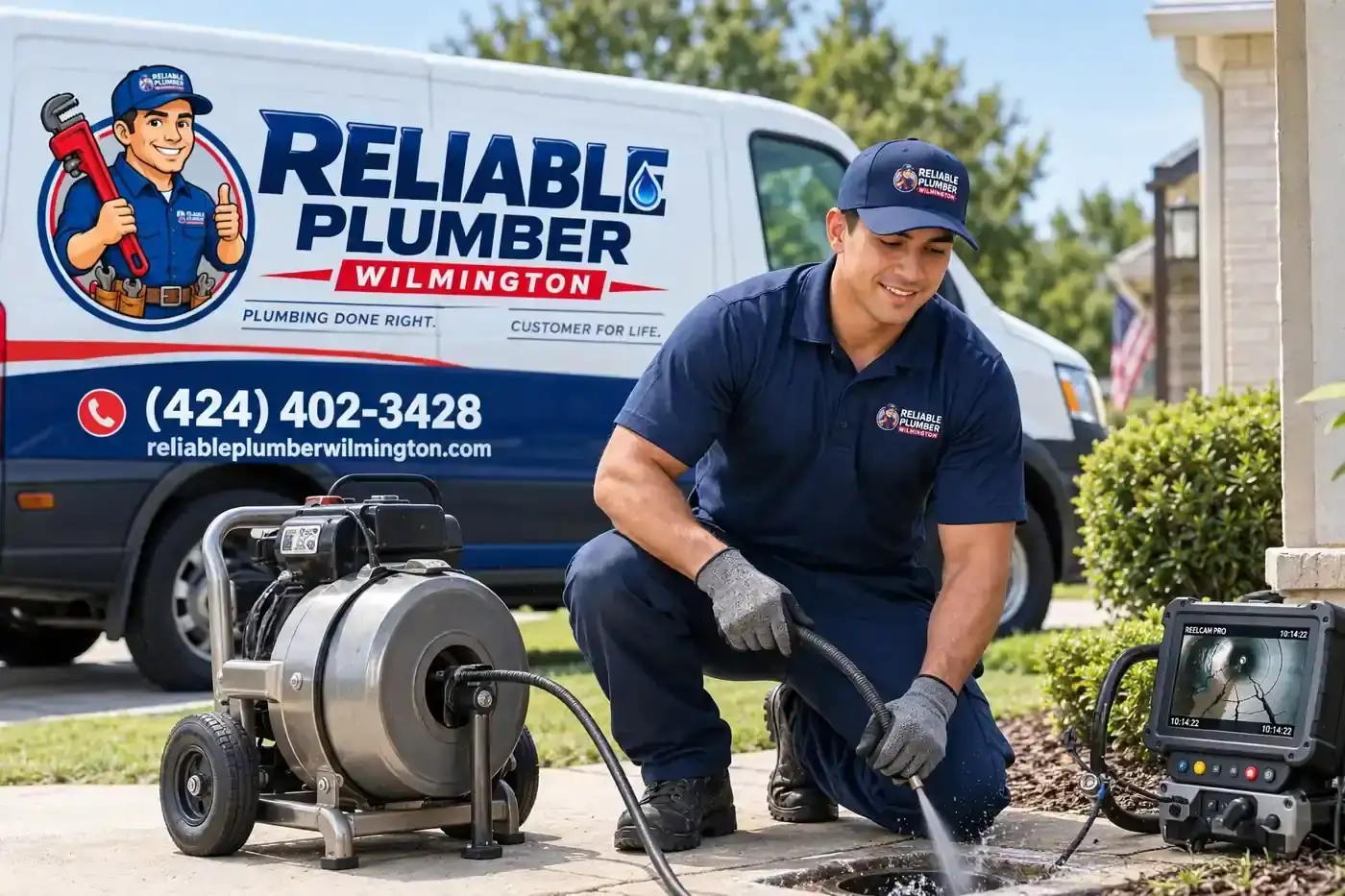
Sewer here belongs to the Midway City Sanitary District rather than the city - an independent special district running 174 miles of mains and four lift stations across 10.4 square miles. Getting the right agency involved matters before work starts, because the district is who maintains the public main your lateral connects into, while building permits still come from the City of Westminster.
Recurring backups, several fixtures slow at once, sewer odour, or a line a camera has shown to be cracked, offset or root-invaded.
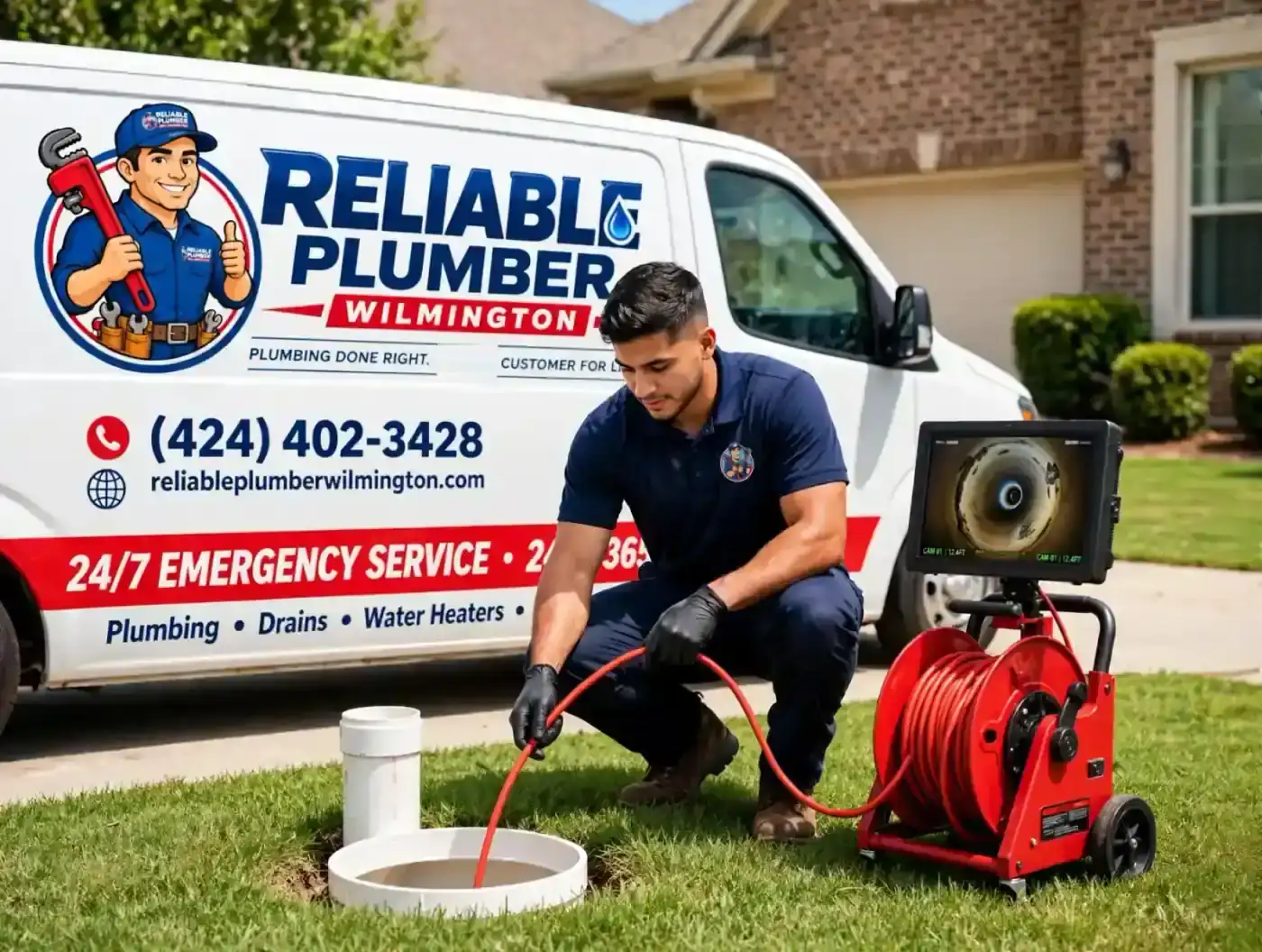
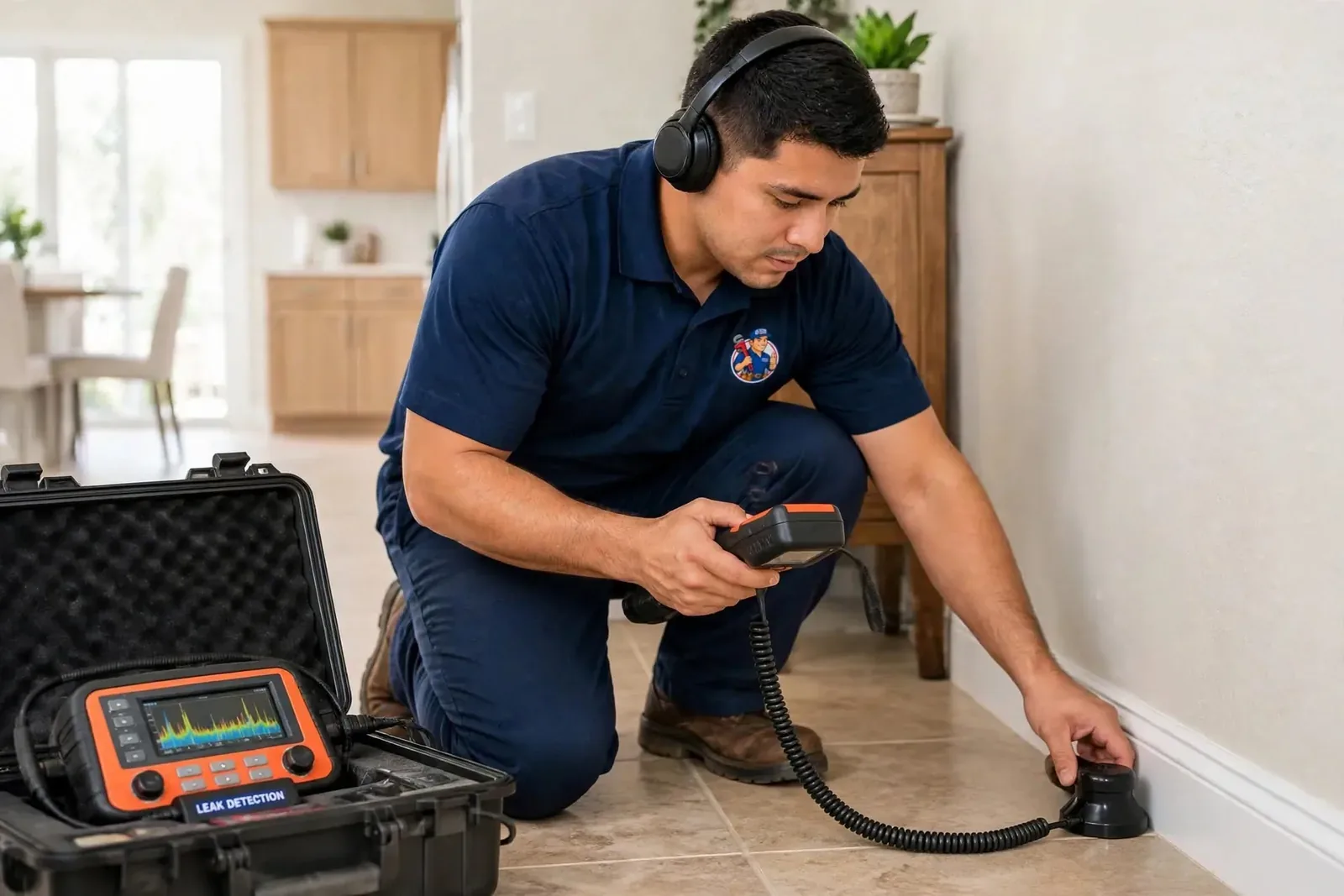
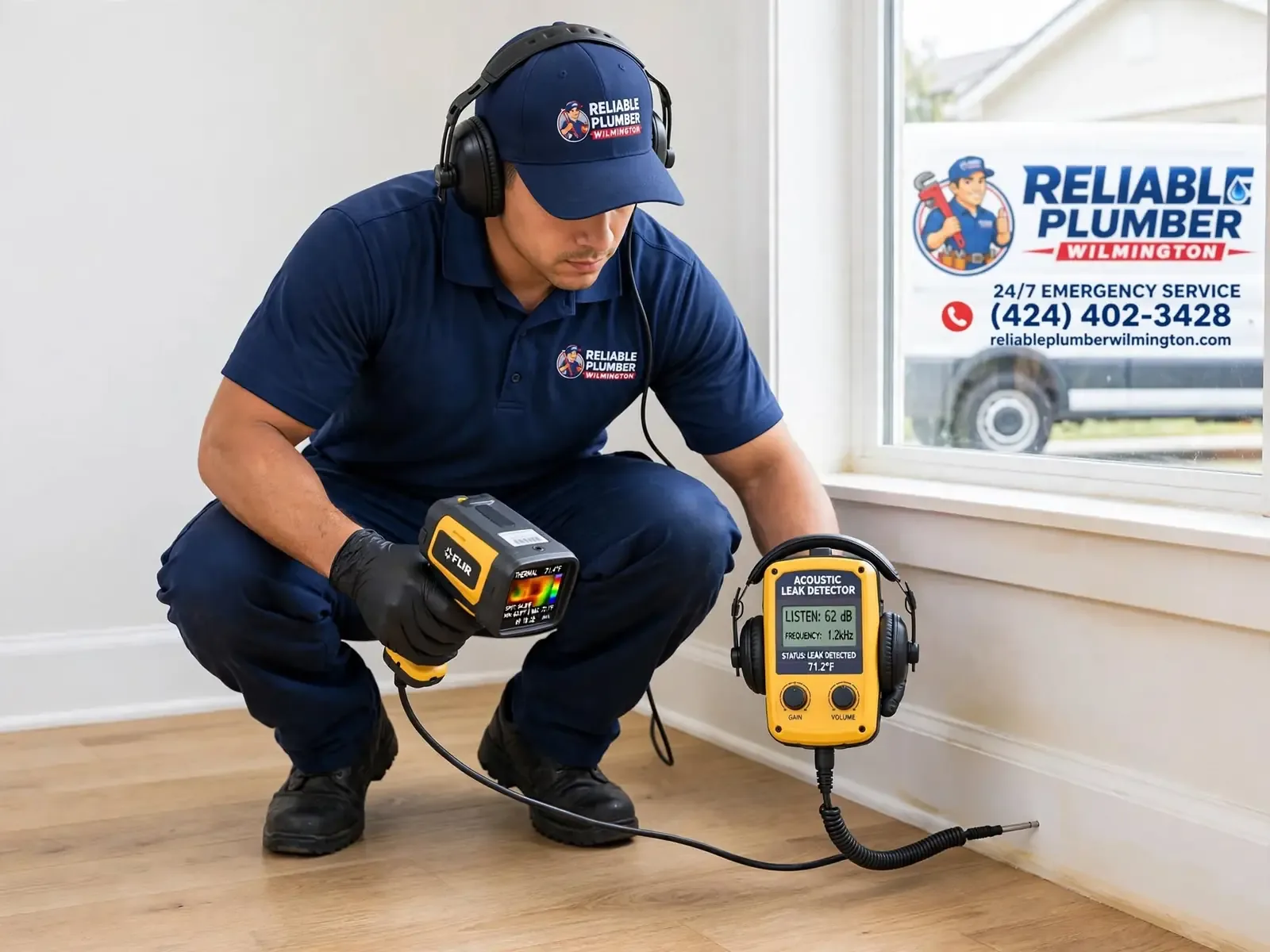
Westminster's 1971 median build year means the tracts are slab-on-grade, so a hidden supply leak has no crawlspace to give it away. Thermal imaging picks up the heat signature of a hot line under concrete and acoustic listening narrows it to inches. In the later tracts we also check the pipe material first, since polybutylene fails at the fittings and often behind a wall rather than under the floor.
A water bill that jumped with no change in use, running water with every tap closed, a warm patch on the floor, or a stain with no obvious source.
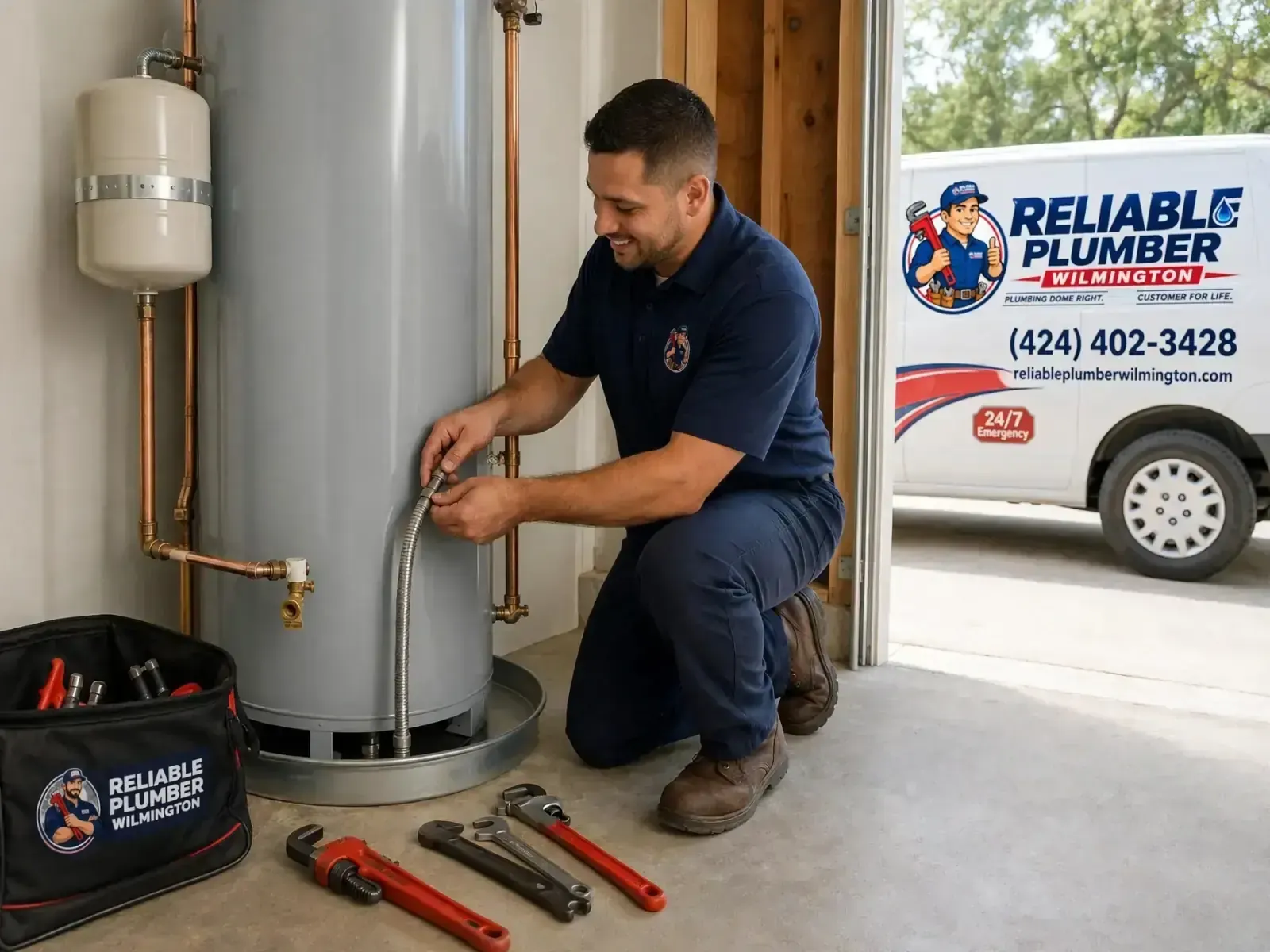
Permits come from the City of Westminster. The requirements are California state code and do not vary: two seismic straps at the upper and lower third anchored into framing rather than drywall, with the lower strap at least four inches above the gas control. Around 75% of the city's water is local groundwater, and basin groundwater accelerates sediment build-up in a tank - annual flushing is worth more here than the manual suggests.
No hot water, rumbling or popping, water pooling at the base, or a unit past twelve years old that is worth replacing on your schedule rather than its own.
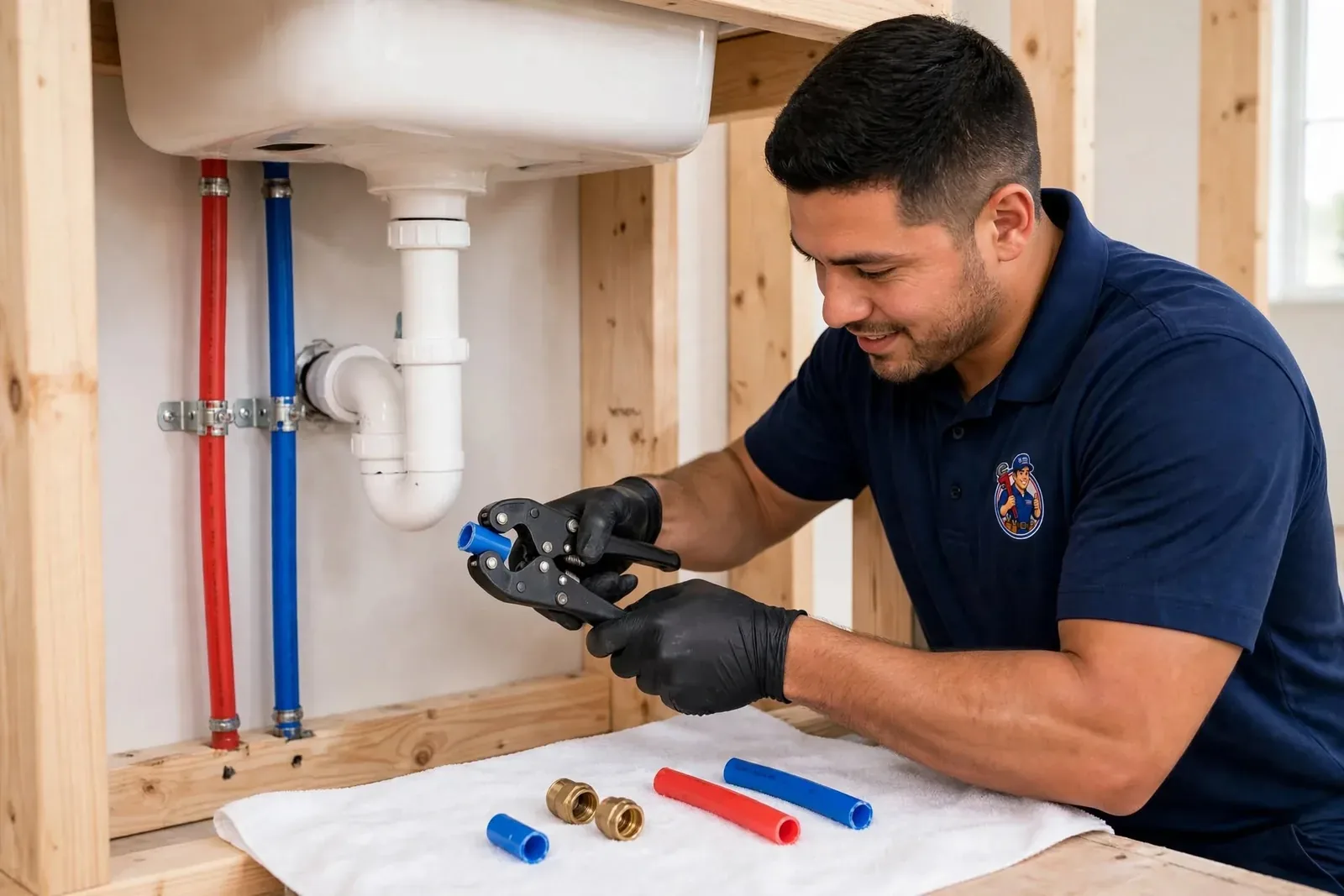
A 1971 median build year puts most of Westminster past galvanized and into copper, which changes the failure mode from rust-narrowed bore to pinhole leaks. The tracts built from the late 1970s onward are the ones to check carefully, since polybutylene supply pipe from that era becomes brittle and fails at the fittings. Identifying the material is the first step in either case.
Rust-tinted water, pressure falling across the whole house, or a second and third leak on the same ageing supply system.
The postwar tracts that make up most of Westminster are slab-on-grade, so a supply line failure under the concrete is a real possibility across the city. A warm patch on the floor, running water with every fixture closed, or a bill that jumped with no change in use are the usual first signals. Locating the leak precisely is what keeps the concrete work - and the cost - contained.
A warm patch on the floor, water audible with every fixture closed, or an unexplained bill increase on a slab-on-grade property.
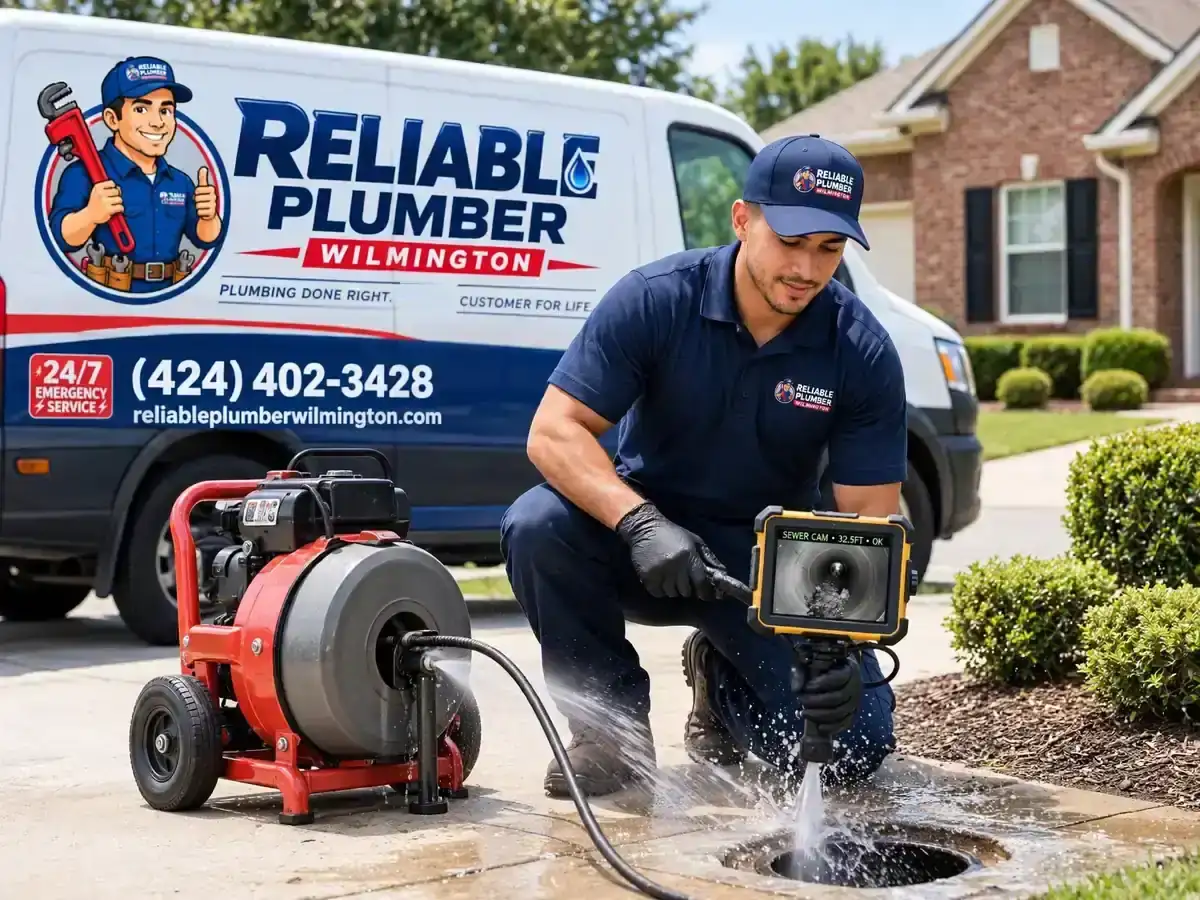
This is the service Westminster needs most, and for a specific reason. Grease from the city's food-service density coats the inside of a lateral and cannot be cabled out - a cable cuts a hole through it and leaves the rest in place. Jetting scours back to the pipe wall. Sound residential and commercial lateral runs at 2,500 to 3,000 PSI, and we camera the line first to confirm it can take it.
Blockages that keep returning, kitchen lines with a grease history, and scaled cast iron where cabling only bores a channel.
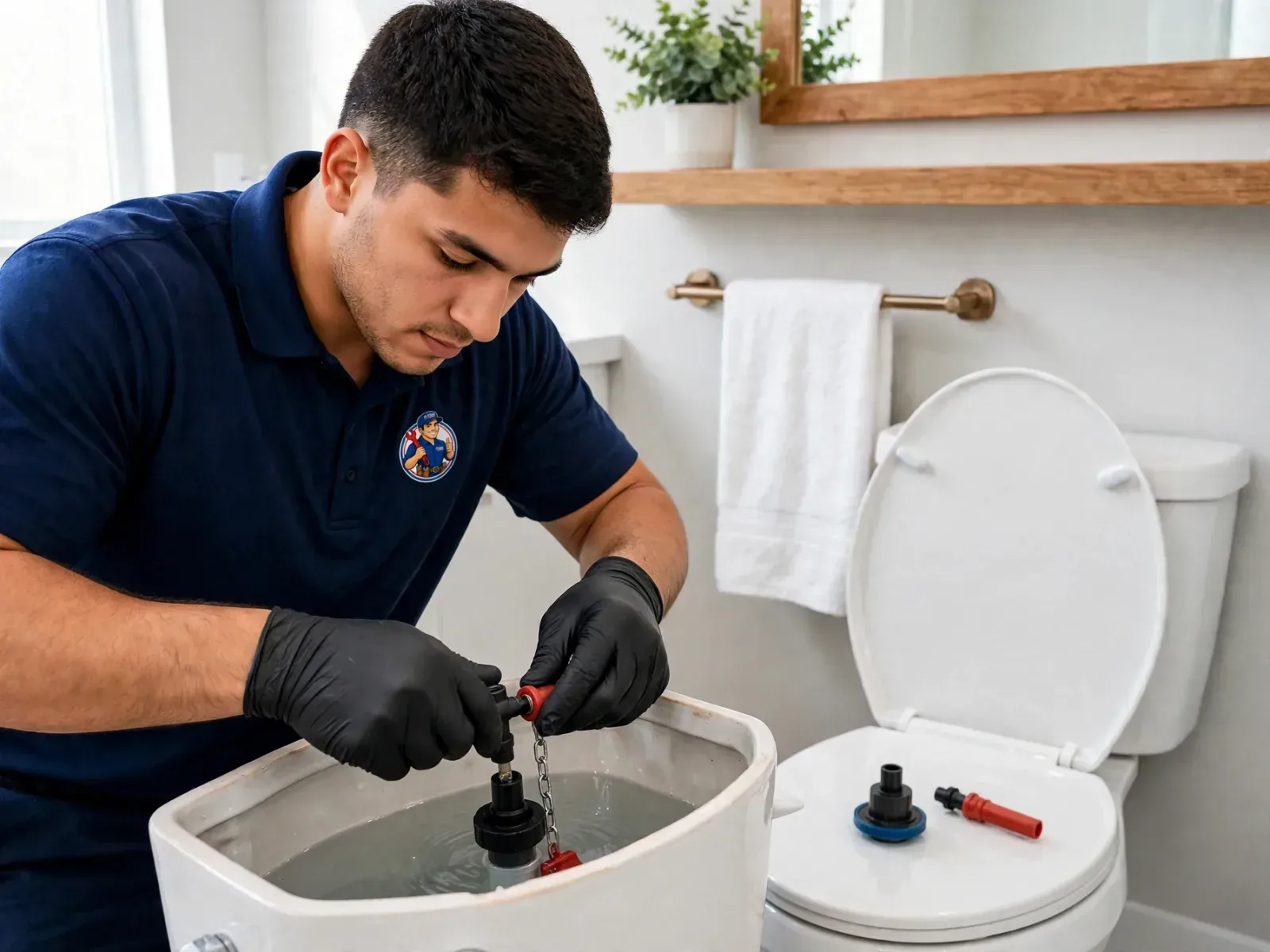
Westminster runs about 57.8% owner-occupied, so most fixture calls come from the person who will decide what to do. On anything predating 1994 the arithmetic is simple: 3.5 gallons a flush or more against California's 1.28 gallon standard, and SB 407 brings replacement into scope during a remodel - so a fixture upgrade often pays for itself faster than expected.
Running or phantom-flushing toilets, weak flush, water seeping at the base, or replacing a pre-1994 fixture using 3.5 gallons a flush.
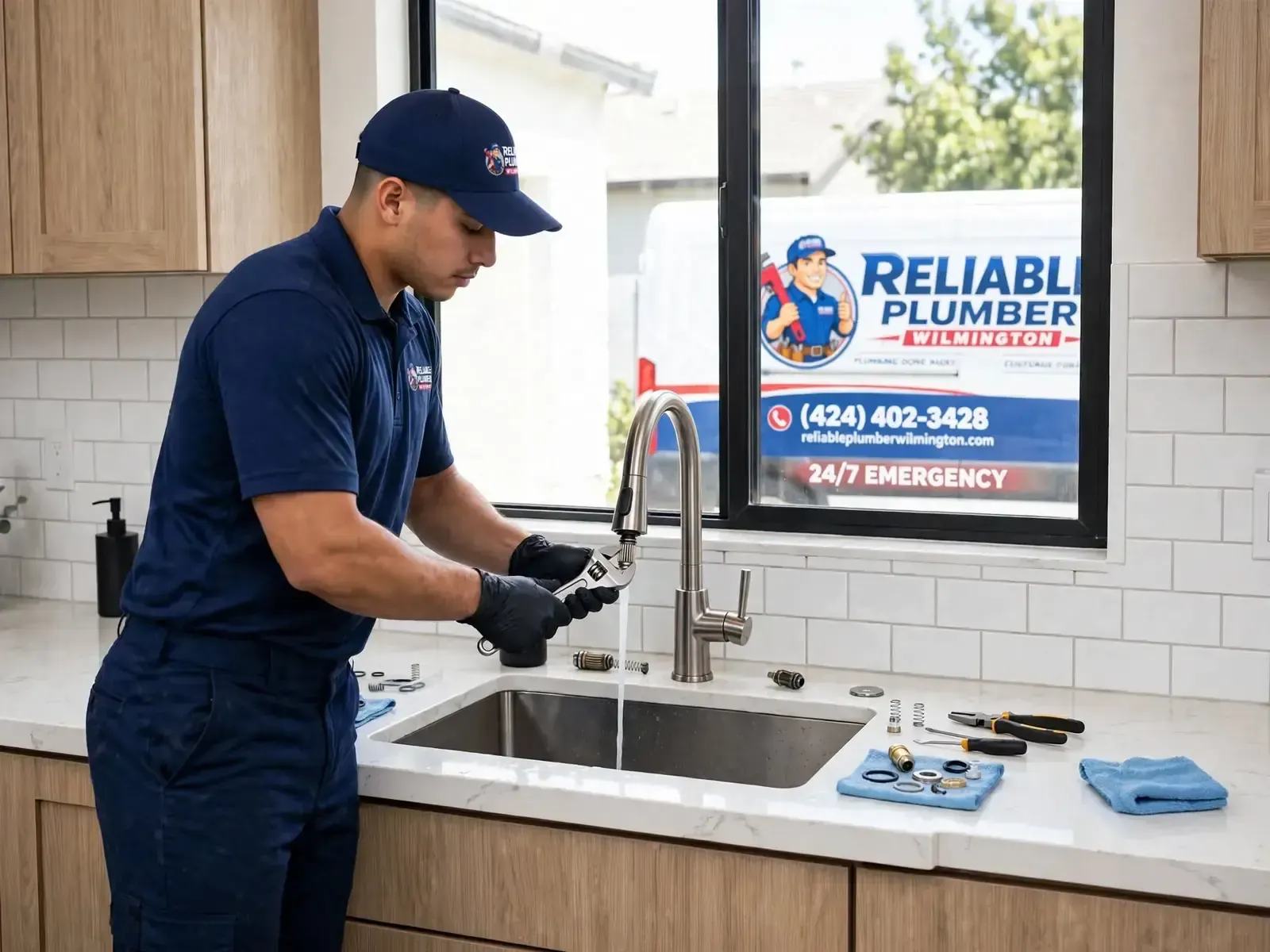
Roughly three quarters of Westminster's water is groundwater pumped from ten city wells, and basin groundwater carries dissolved mineral that wears cartridges and valve seats. A tap repaired eighteen months ago that has started dripping again is usually reporting on the water rather than the workmanship.
Dripping spouts, stiff handles, leaking handle bases, or flow that has dropped at one fixture while the rest of the house is fine.
We cover Westminster and Midway City together, since the sanitary district serves both. Close your main shut-off first - on a 1970s slab tract home it is generally on the street side near the meter - and if water is anywhere near an electrical panel or outlets, keep everyone clear of it until we are on site.
Burst supply lines, sewage backing up, main line breaks, and water heater failures - anything where water is causing damage right now.

Covering a city properly means knowing what changes at its boundary. Here, several things do.
City of Westminster for water and building permits, Midway City Sanitary District for sewer. Almost nowhere else we cover splits it that way, and calling the wrong agency costs you a day.
City water · MCSD sewerWestminster hosts the largest Vietnamese business district in the United States, and that restaurant density puts real fats, oils and grease into the lines. We jet back to the pipe wall rather than cabling a hole through the blockage.
FOG-aware jettingWith a 1971 median build year, the later Westminster tracts fall inside the window where grey polybutylene supply pipe was installed. It fails at the fittings, so we identify material before quoting a repair.
Median build year 1971About 75% of city water comes from ten local wells rather than imported supply. Basin groundwater means faster tank sediment and shorter cartridge life, which changes what maintenance is actually worth doing.
10 wells · ~75% groundwaterCamera footage on sewer recommendations, thermal and acoustic on hidden leaks, findings written down. On a grease-fouled line the camera is also the proof the job was finished properly.
Camera · written findingsWestminster and neighbouring Midway City share a sanitary district and much the same postwar housing, so we cover them together.
Little Saigon along the Bolsa Avenue corridor is the commercial heart of the city and the largest Vietnamese business district in the United States. Its restaurant and food-business density is the reason grease is the dominant drain issue in Westminster, and it affects the residential laterals feeding into the same mains, not just the commercial ones. Away from the corridors, the city is postwar tract housing on slab - the growth from roughly 2,500 residents in 1942 to nearly 10,800 by 1956 produced the tracts that give Westminster its 1971 median construction year across 27,650 units. Midway City is the unincorporated pocket adjoining the city; the Midway City Sanitary District serves both, which is why we treat them as one coverage area rather than two.
Licensed, bonded and insured · 24/7 dispatch · diagnosis before price · findings in writing
Five categories covering everything from a slow drain to a full repipe.
We reach Westminster from Wilmington 90744, and cover 30 cities across Los Angeles County and north Orange County. These are the communities closest to Westminster.
Coverage, permits, water and what is specific to this city.
Yes, and Midway City with it. The two share the same sanitary district and much the same housing stock, so we treat them as one coverage area across west Orange County.
The Midway City Sanitary District, not the city. It is an independent special district formed in January 1939 under the Sanitary District Act of 1923, serving all Westminster and Midway City residents and businesses across 10.4 square miles with 174 miles of sewer mains and four lift stations.
The City of Westminster Water Division. It operates ten groundwater wells and three import connections, with roughly 75% of supply coming from the local Orange County groundwater basin and about 25% imported from Northern California and the Colorado River through MWDOC.
Grease. Westminster hosts the largest Vietnamese business district in the United States, and that concentration of restaurants and food businesses puts significant fats, oils and grease into the sewer system. Grease congeals inside the pipe, so a line that is cabled rather than jetted will block again - the cable only makes a hole through the build-up.
Possibly, if it was built from the late 1970s onward. Westminster's median construction year is 1971, so the later tracts fall inside the period when grey polybutylene supply pipe was installed. It becomes brittle and fails at the fittings, so it is worth identifying rather than assuming.
No. Westminster is in Orange County, so there is no LASAN sewer lateral rebate and no LADWP billing adjustment. Water questions go to the City of Westminster Water Division and sewer questions to the Midway City Sanitary District.
Yes. The postwar tracts that make up most of the city are slab-on-grade, so supply lines run through the concrete. A warm patch on the floor, water audible with everything closed, or a bill that jumped without a change in use are the signs worth acting on.
Yes, and the grease loads that come with them. Recurring blockages in food service are almost always fats, oils and grease rather than a structural fault, which means the fix is jetting the line back to the pipe wall and then a realistic maintenance interval rather than waiting for the next backup.