Gardena was formed by merging three separate farming villages in 1930, and they had already developed at different rates. That is why the housing here varies more from block to block than a single citywide figure suggests.










Gardena did not grow outward from one centre, and that is the most useful thing to know before diagnosing anything here. The city was incorporated on 11 September 1930 by combining three separate rural communities - Gardena, Moneta and Strawberry Park - into a single municipal corporation. Those villages had developed independently as farming settlements before the merger, and the housing that filled in around each of them arrived at different times. The citywide median construction year is 1964, but treating that as a description of any particular street will mislead you: pockets of considerably older stock sit alongside postwar tract housing, and the two carry different pipe.
That 1964 median does sit on a genuine dividing line. Homes plumbed before the changeover run galvanized steel, which has a service life of about thirty to forty years and is therefore decades past it - the tell is rust-tinted water at first draw and pressure that has fallen across the whole house at once. Homes plumbed after it run copper, where the failure is an isolated pinhole and the rest of the system is fine. Those are different problems with different price tags, and in a city assembled from three villages you cannot infer which one you have from the year the city was founded.
The utilities are split three ways but each is straightforward. Golden State Water Company has supplied the area since 1929 through its Southwest system, which serves more than 54,000 connections across southwest Los Angeles County and covers all of Gardena, delivering a blend of groundwater from the West and Central Coast Groundwater Basins with imported water from the Colorado River Aqueduct and the State Water Project. Recycled water for irrigation comes separately from the West Basin Municipal Water District. Sewers and storm drains are maintained by the City of Gardena Public Works Department, which issues its own sewer permit, with regional treatment handled by the Los Angeles County Sanitation Districts. Of 20,822 occupied units, about 48.8% are owner-occupied and 51.2% rented.
Reliable Plumber Wilmington covers Gardena from the Harbor Area, a short run south. We handle drain cleaning, sewer line repair, leak detection, water heater work, repiping and everything alongside them - diagnosis before price, camera evidence on sewer work, and the finding written down.
Because Gardena is a separately incorporated city rather than City of Los Angeles territory, the LASAN sewer lateral rebate and the LADWP billing adjustment do not reach it, and sewer permits come from the City of Gardena rather than LADBS. California state requirements apply identically regardless of jurisdiction: SB 407 on fixture replacement during a remodel, the 80 psi pressure ceiling with a regulator required above it, and seismic strapping on water heaters.
Because Gardena assembled from three separate villages, drain vintages vary more between streets than the 1964 citywide median implies. Older pockets carry cast iron that has lost working diameter to decades of scale, so blockages recur no matter how thoroughly they are cleared; newer tracts carry plastic that has not narrowed. A camera is the only honest way to tell which street you are on.
Slow or blocked kitchen, bath, shower and laundry lines - and any drain that has already been cleared once and blocked again.
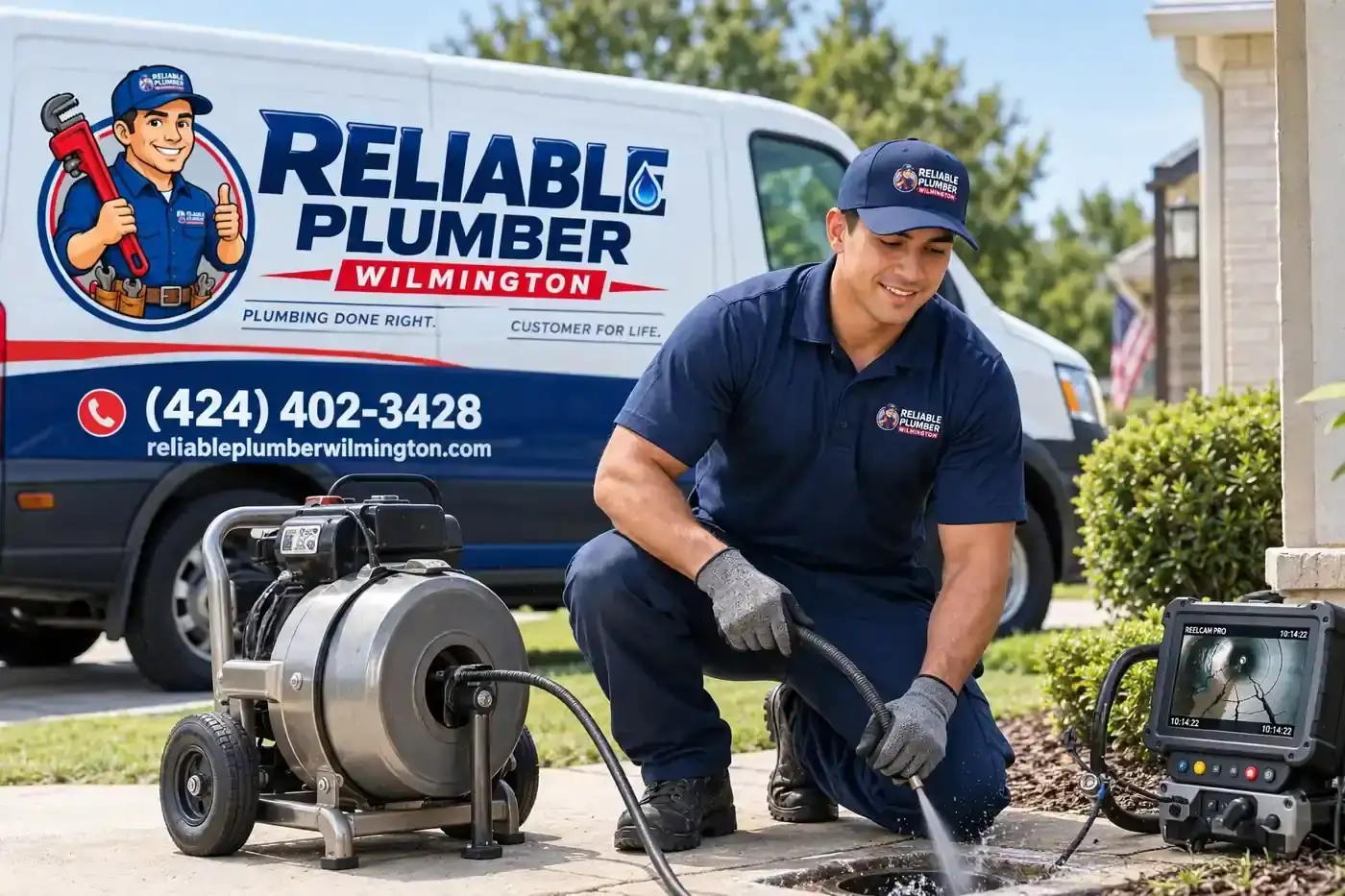
Sewers and storm drains in Gardena are maintained by the city's own Public Works Department, and the city issues its own sewer permit - regional treatment then runs through the Los Angeles County Sanitation Districts. Laterals here span a wide age range, so we camera before scoping: the difference between a single failed joint and a line at the end of its life is the whole cost of the job.
Recurring backups, several fixtures slow at once, sewer odour, or a line a camera has shown to be cracked, offset or root-invaded.
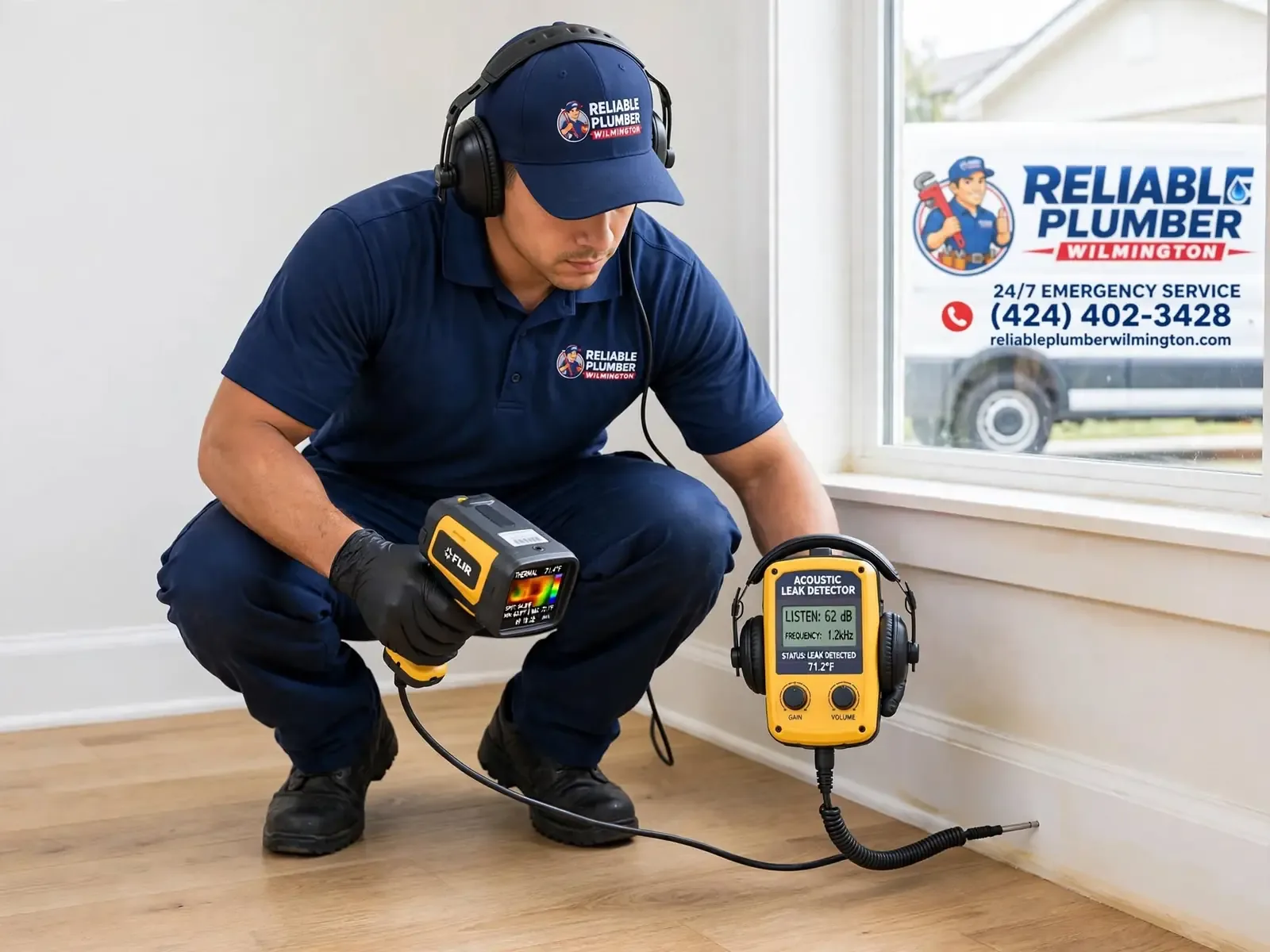
What we listen for depends on the material, and in Gardena that varies street by street. Galvanized supply fails from the inside out, so it announces itself as a slow weep, damp at the base of a wall or a meter that creeps with everything closed. Copper fails abruptly at a pinhole. Establishing which you have narrows the search before any acoustic or thermal work begins.
A water bill that jumped with no change in use, running water with every tap closed, a warm patch on the floor, or a stain with no obvious source.
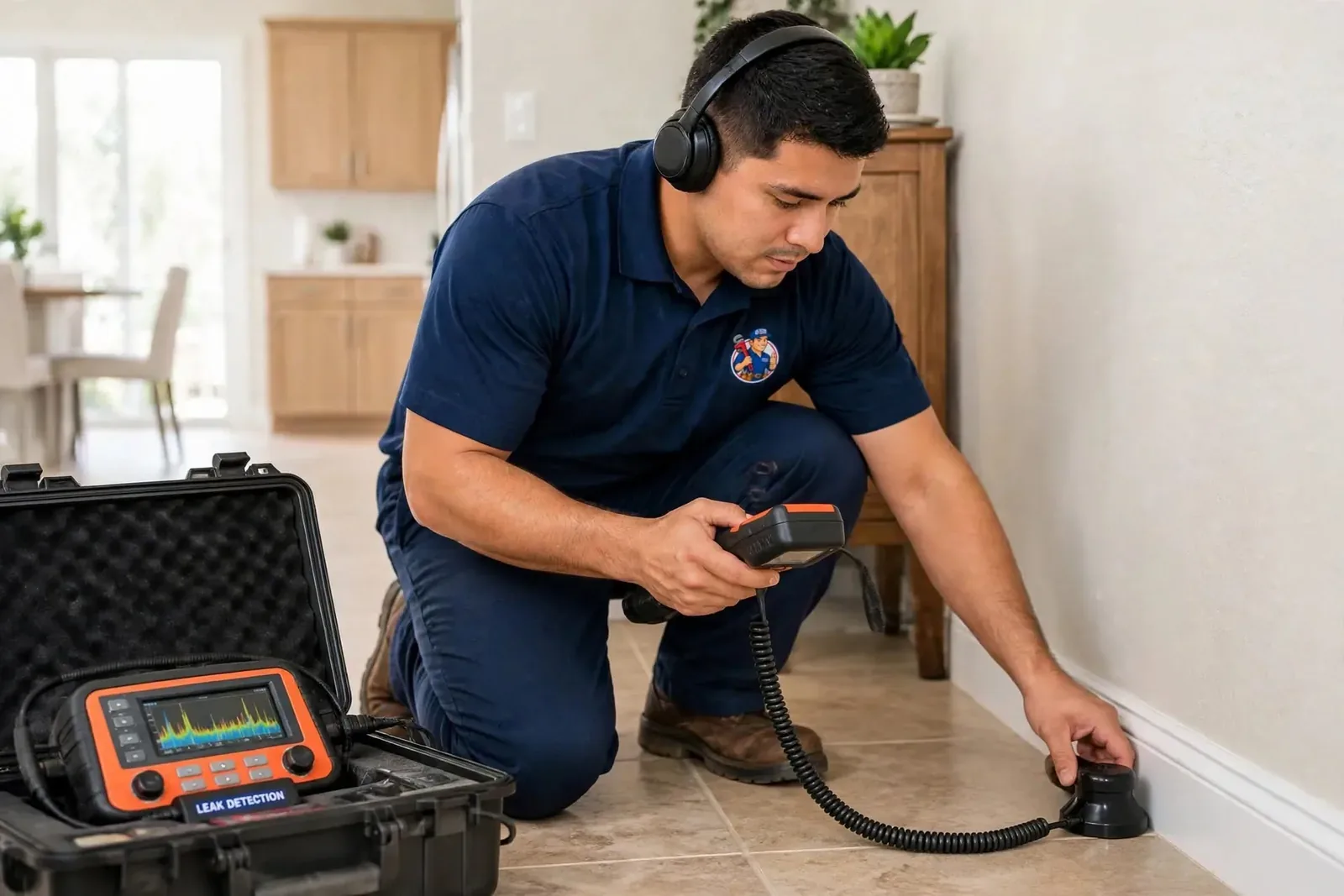
Permits come from the City of Gardena. The requirements are California state code and do not change: two seismic straps at the upper and lower third anchored into framing rather than drywall, with the lower strap at least four inches above the gas control. Because Golden State Water blends basin groundwater with imported supply, sediment accumulation in a tank is worth staying ahead of with an annual flush.
No hot water, rumbling or popping, water pooling at the base, or a unit past twelve years old that is worth replacing on your schedule rather than its own.
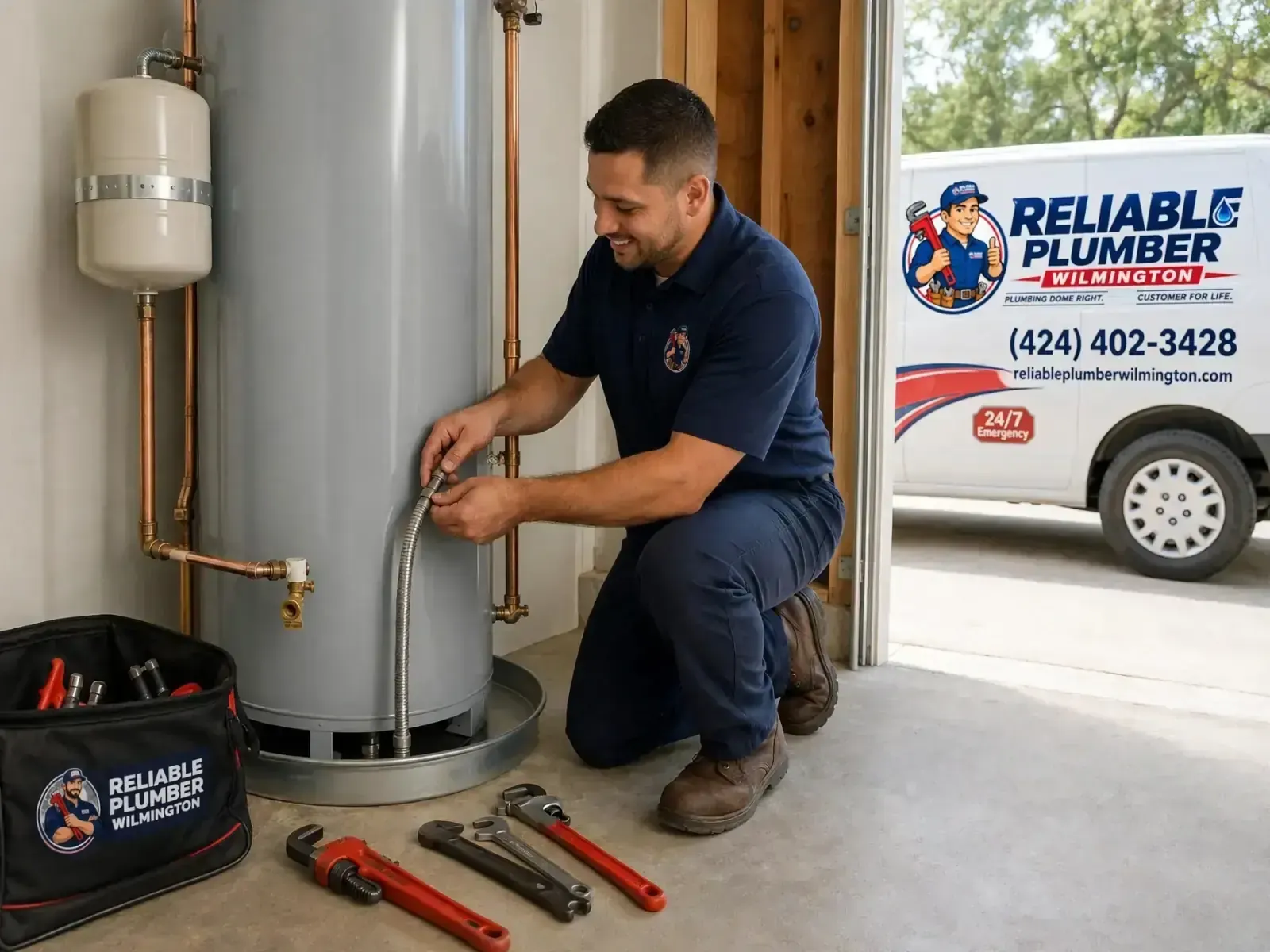
This is the decision the three-village history really affects. In the older pockets, original galvanized steel is running decades beyond its thirty-to-forty-year service life and a full repipe is often the cheaper answer over any reasonable horizon. In the postwar tracts, copper with an occasional pinhole rarely justifies one. We establish which situation you are in before recommending either.
Rust-tinted water, pressure falling across the whole house, or a second and third leak on the same ageing supply system.
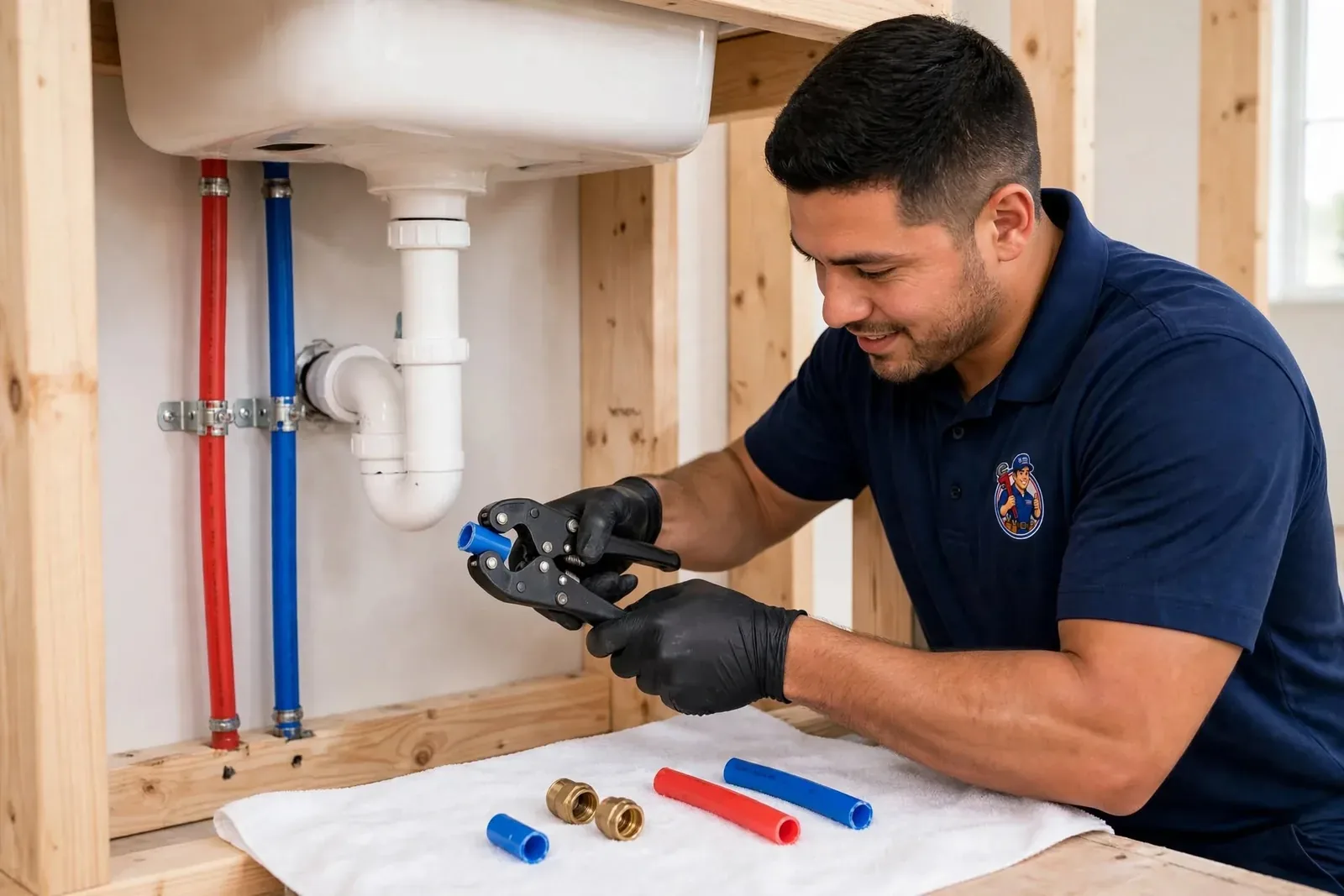
Postwar Gardena housing is largely slab-on-grade, so supply lines run through concrete. The cause differs with the pipe: corrosion working outward in an older galvanized system, or soil movement and chemistry finding a weak point in copper. That distinction matters, because a corroding system will produce a second slab leak soon after the first while an isolated copper failure usually will not.
A warm patch on the floor, water audible with every fixture closed, or an unexplained bill increase on a slab-on-grade property.
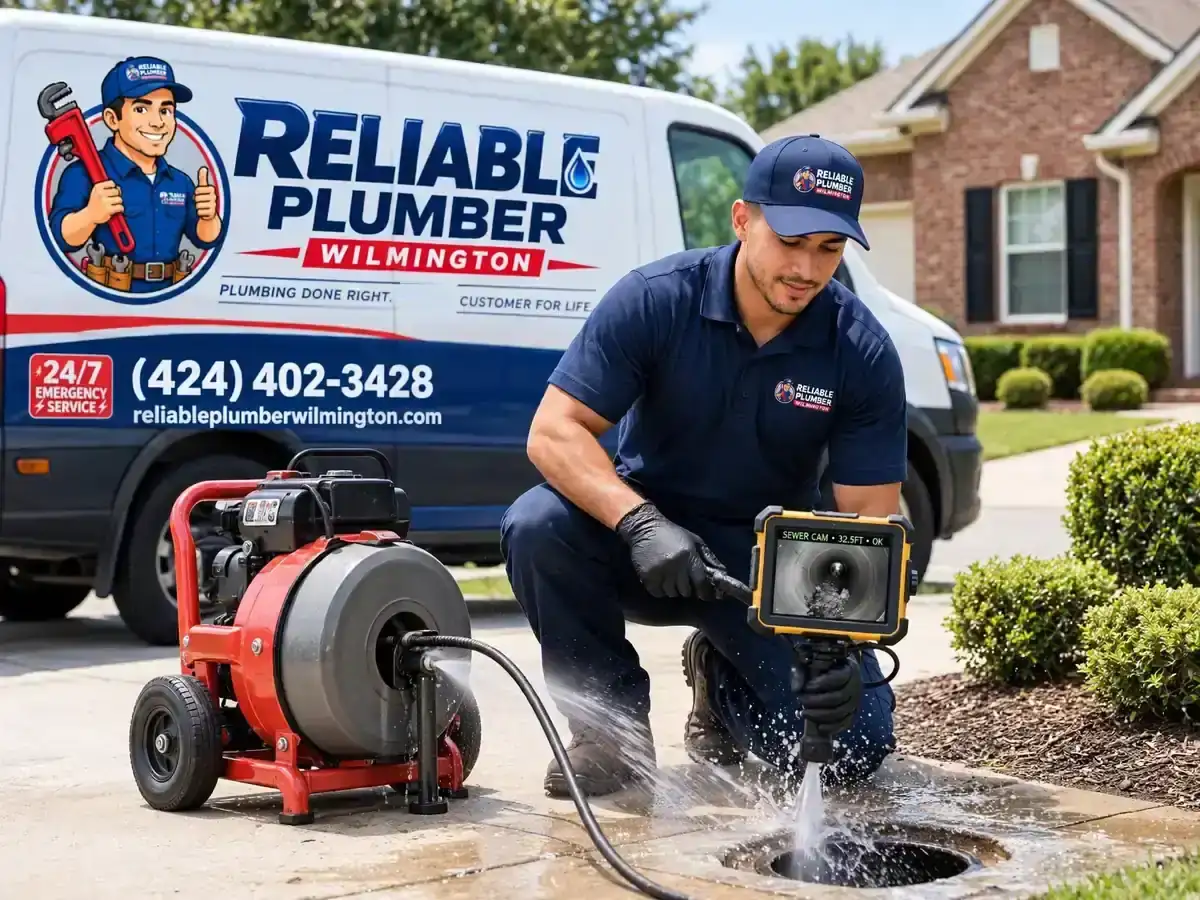
We set pressure from the camera rather than the job sheet, and in Gardena the range is genuinely wide. Sound plastic lateral takes the full 2,500 to 3,000 PSI, while heavily scaled cast iron in the older pockets is run at 1,500 to 2,000 PSI. Choosing by pipe condition is what keeps a cleaning from turning into a repair.
Blockages that keep returning, kitchen lines with a grease history, and scaled cast iron where cabling only bores a channel.
Gardena runs about 51.2% rented, so a good share of fixture calls arrive through a tenant, a landlord or a manager, and we write findings up so they carry between them. In the older parts of the city, rough-in spacing is often not the modern standard, so measuring before ordering a replacement avoids a second visit.
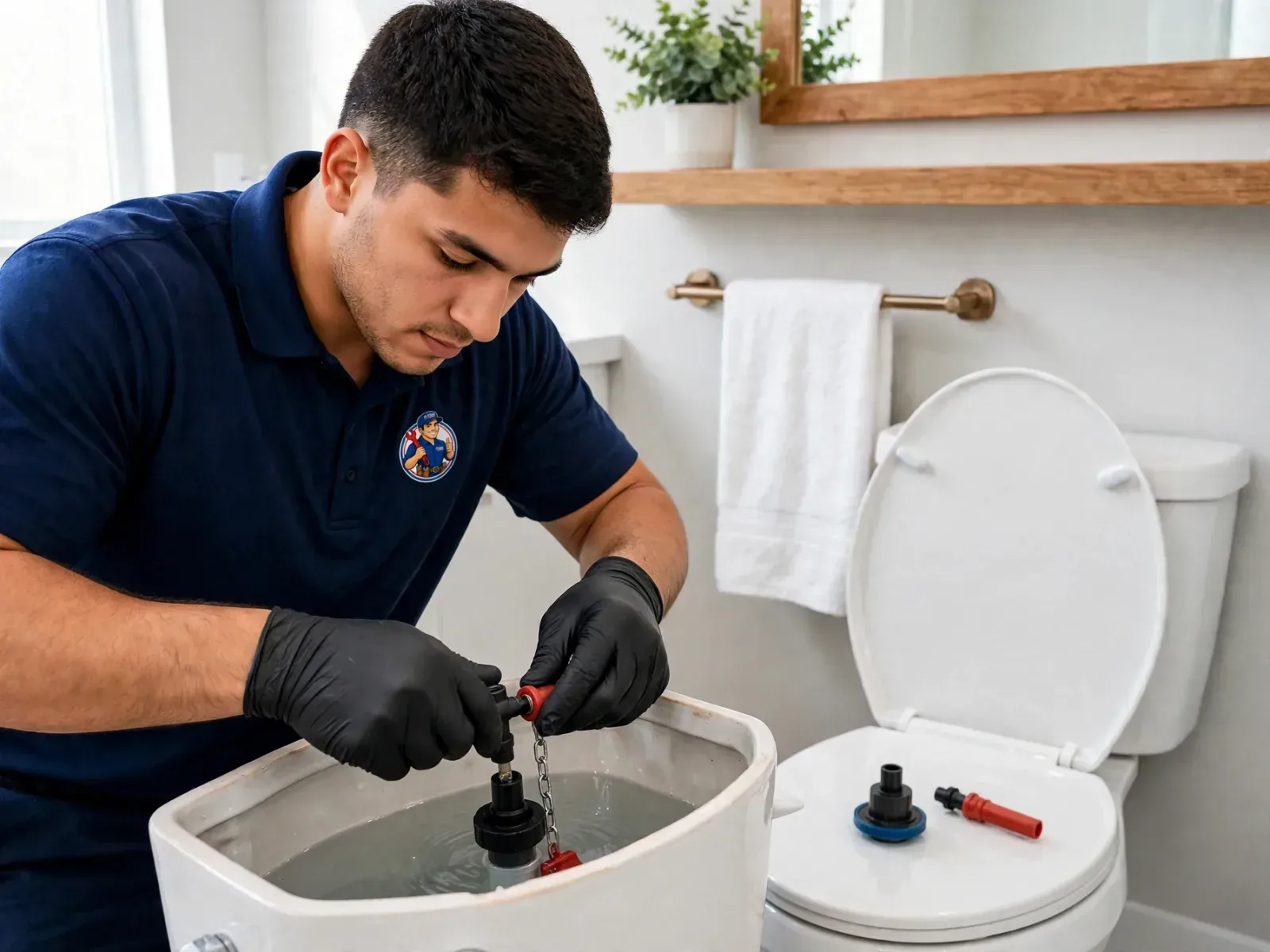
Running or phantom-flushing toilets, weak flush, water seeping at the base, or replacing a pre-1994 fixture using 3.5 gallons a flush.
Golden State Water's Southwest system delivers a blend of West and Central Coast basin groundwater with imported Colorado River and State Water Project supply, and that mineral load shortens cartridge and valve seat life. Where a property still has galvanized supply pipe there is a second cause layered on top, since corrosion carried out of the pipe will wear a new cartridge quickly regardless of quality.
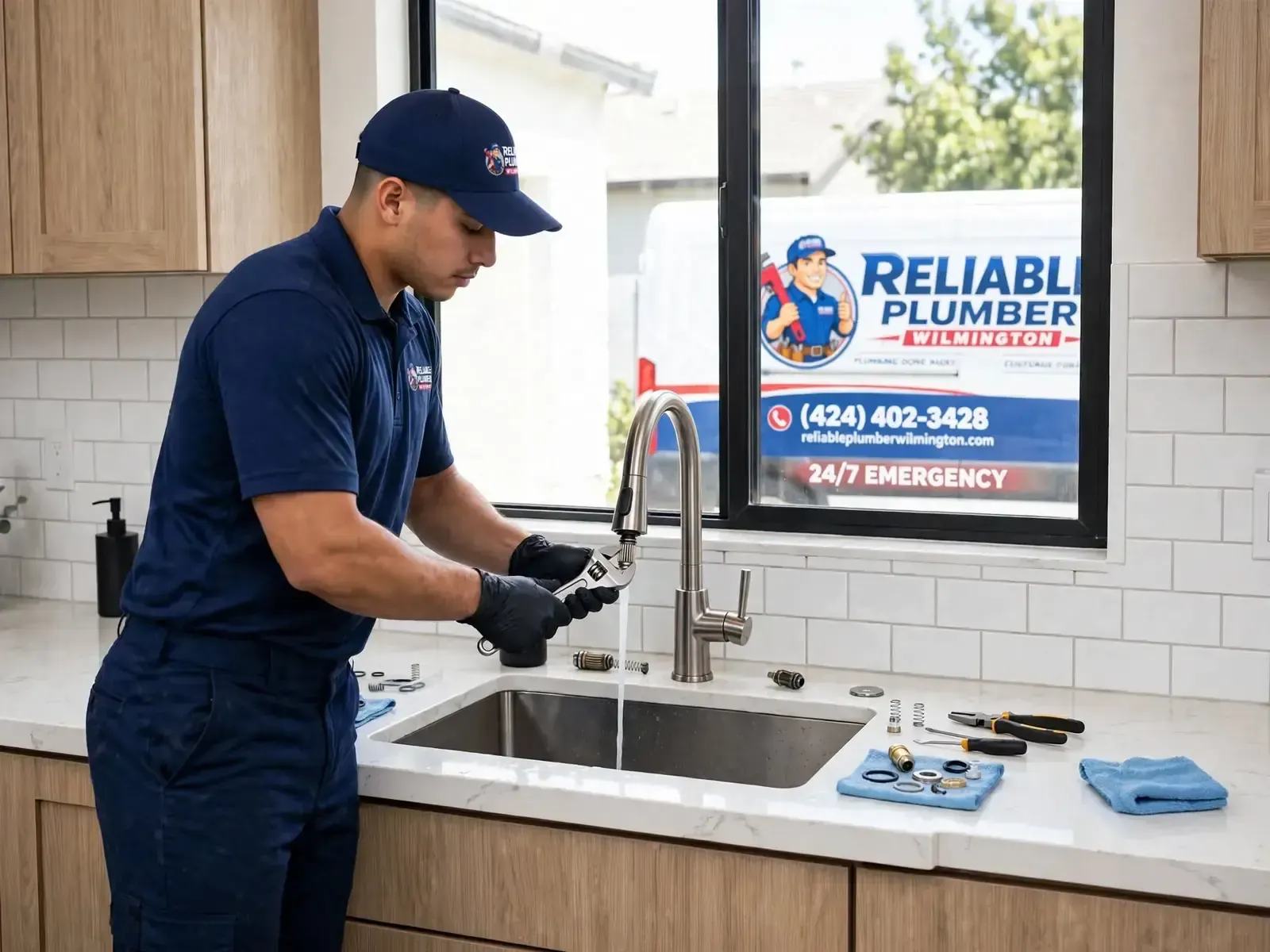
Dripping spouts, stiff handles, leaking handle bases, or flow that has dropped at one fixture while the rest of the house is fine.
Gardena is a short run south from our Harbor Area base, which makes it one of the areas we reach quickly. Shut the main off first - in most of this housing it is at the front of the lot near the meter. Tell the dispatcher roughly when the property was built if you know, because in a city this varied that genuinely helps us arrive with the right parts.
Burst supply lines, sewage backing up, main line breaks, and water heater failures - anything where water is causing damage right now.
Covering a city properly means knowing what changes at its boundary. Here, several things do.
Gardena, Moneta and Strawberry Park developed separately before merging in 1930, so build eras vary block to block. The citywide median is a poor guide to any individual street, and we treat it that way.
Incorporated 11 Sept 1930A 1964 median sits right on the galvanized-to-copper line. Whole-house rust and an isolated pinhole are different problems with different costs, so we confirm the material rather than inferring it from a date.
Median build year 1964Golden State Water has served the area since 1929 through its Southwest system, covering the whole city. Recycled irrigation water comes separately from West Basin, which occasionally confuses a billing question.
GSWC Southwest · West BasinGardena Public Works maintains the sanitary sewers and storm drains and issues the city's own sewer permit, with regional treatment through LA County Sanitation. That is a different route from LADBS, and we work to it.
City of Gardena sewer permitCamera footage on sewer recommendations, acoustic and thermal on hidden leaks, findings written down so a tenant can pass them on and an owner can act on them.
Camera · written findingsGardena still reflects the three separate communities it was assembled from, and the housing follows those older boundaries more closely than the map suggests.
Gardena, Moneta and Strawberry Park were separate rural farming communities until 11 September 1930, when they were combined into one municipal corporation - and that history still shows in the housing. Development filled in around each former village at a different pace, so the citywide median construction year of 1964 describes the city as a whole without describing any particular street. Practically, that means two properties a few blocks apart can sit on opposite sides of the galvanized-to-copper divide. The Rosecrans, Redondo Beach Boulevard, Artesia and Western corridors carry most of the commercial activity, and El Camino Village and the Alondra Park area sit toward the northern edge. Across all 20,822 occupied units, roughly half are rented, so we work with owners, landlords and tenants in similar measure.
Licensed, bonded and insured · 24/7 dispatch · diagnosis before price · findings in writing
Five categories covering everything from a slow drain to a full repipe.
We reach Gardena from Wilmington 90744, and cover 30 cities across Los Angeles County and north Orange County. These are the communities closest to Gardena.
Coverage, permits, water and what is specific to this city.
Yes. Gardena is a short run south from our Harbor Area base, which makes it one of the areas we reach quickly, and we cover the whole city including the former Moneta and Strawberry Park areas.
Because the city was assembled rather than grown. Gardena, Moneta and Strawberry Park were three separate rural communities until they were combined into one municipal corporation on 11 September 1930, and development filled in around each of them at a different pace. The citywide median of 1964 therefore says little about any particular street.
Golden State Water Company, which has served the area since 1929 through its Southwest system. That system serves more than 54,000 connections across southwest Los Angeles County and covers all of Gardena, delivering a blend of groundwater from the West and Central Coast Groundwater Basins with imported Colorado River and State Water Project supply.
That is recycled water for irrigation, supplied by the West Basin Municipal Water District - separate from your drinking water, which comes from Golden State Water. It occasionally causes confusion on a billing or supply question, which is why it is worth knowing the two are different.
The City of Gardena Public Works Department maintains the sanitary sewers and storm drains and issues the city's own sewer permit. Regional treatment is handled by the Los Angeles County Sanitation Districts.
It depends on when your particular street was built rather than on the city average. The citywide median is 1964, right on the changeover, and because Gardena formed from three separately developed villages the answer varies block to block. Rust-tinted water with pressure down across the whole house points to galvanized; an isolated pinhole points to copper.
No. Both are City of Los Angeles programmes, and Gardena is a separately incorporated city that has been its own municipality since 1930. Water questions go to Golden State Water and sewer permits to the City of Gardena.
Both, in roughly equal measure - about 48.8% of occupied units here are owner-occupied and 51.2% are rented. We write findings up plainly so a tenant can hand them on and an owner or manager can act on them without anything being lost in between.