Naples is three man-made islands built out of Alamitos Bay marshland and raised above the high-tide line. The ground under it is not ordinary ground, and buried pipe here does not behave the way it does a mile inland.











Everything unusual about plumbing in Naples comes from how it was built. Arthur Parsons conceived it in 1903 as a Venice of America on Alamitos Bay, and at that point the site was ephemeral marshland - sandy banks at low tide, submerged entirely at high tide. Construction began in August 1905. Crews excavated canals around and through the site and, using concrete walls and sand dredged from the bay, raised three islands above the high-tide level. Roughly a mile of canals resulted, including the semi-circular Rivo Alto Canal and the shorter, straight Naples Canal. The project was finished in the 1920s and then substantially rebuilt after the 1933 Long Beach earthquake with WPA support.
The practical consequences are real. This is made ground - dredged fill placed on former tideland - so differential settlement is a genuine possibility, and settlement is what offsets sewer joints and stresses supply lines. The water table is close and tidally influenced rather than static, which means an excavation may need dewatering before anyone can work in it and a lateral with a crack or an open joint will take groundwater in as readily as it leaks out. That produces backups on a pattern that has nothing to do with how much water the household is using. And because the surrounding water is saline, buried metal pipe in a setting like this generally has a harder time of it than the same pipe inland. We check rather than assume, but it is the first thing worth ruling in or out.
Jurisdiction is simpler than the geology. Naples is a neighbourhood of Long Beach, so Long Beach Utilities supplies the water and handles wastewater, and permits come from the city - not from LADBS, and none of the Los Angeles City programmes apply. The housing along Appian Way and the streets around it dates from the early 1900s in Mediterranean style, stucco walls and tile roofs, with the post-earthquake rebuilding layered on top. That means original pipe of considerable age in some properties and 1930s work in others, often in the same block.
Reliable Plumber Wilmington covers Naples and the surrounding Alamitos Bay neighbourhoods. We handle drain cleaning, sewer line repair, leak detection, water heater work, repiping and everything alongside them - diagnosis before price, camera evidence on sewer work, and the finding written down.
Access is its own consideration here. Naples is a set of islands connected by bridges, with narrow streets, tight lots and canal frontage, so getting equipment to a property takes more planning than it does on a standard block - and on sewer work that is a real argument for pricing trenchless options rather than assuming an open excavation. California requirements are unchanged: SB 407 on fixtures during a remodel, the 80 psi pressure ceiling with a regulator above it, and seismic strapping on water heaters.
A drain that keeps backing up in Naples deserves a camera before a second cabling. On made ground a line can develop a belly where a section has settled, and material collects at the low point no matter how many times the blockage is cleared. That is a settlement problem presenting as a drainage problem, and no amount of clearing fixes it.
Slow or blocked kitchen, bath, shower and laundry lines - and any drain that has already been cleared once and blocked again.
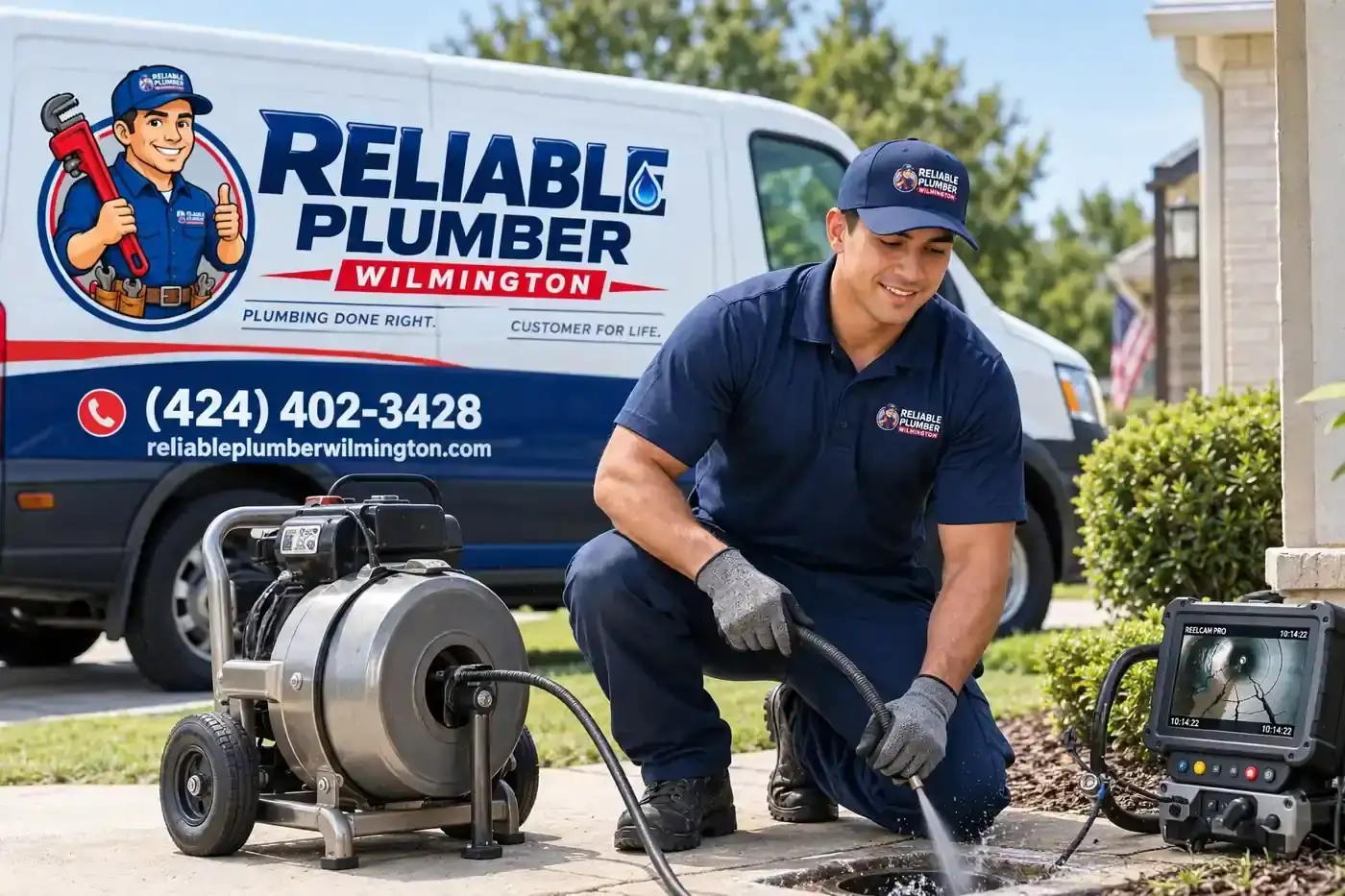
This is the service the island setting affects most. A cracked lateral here does not simply leak - with a close, tidally influenced water table it also admits groundwater, which produces backups unrelated to household use. Excavation may need dewatering before a repair can be made, and the narrow lots and bridge access make trenchless methods worth pricing seriously rather than treating as an upgrade.
Recurring backups, several fixtures slow at once, sewer odour, or a line a camera has shown to be cracked, offset or root-invaded.
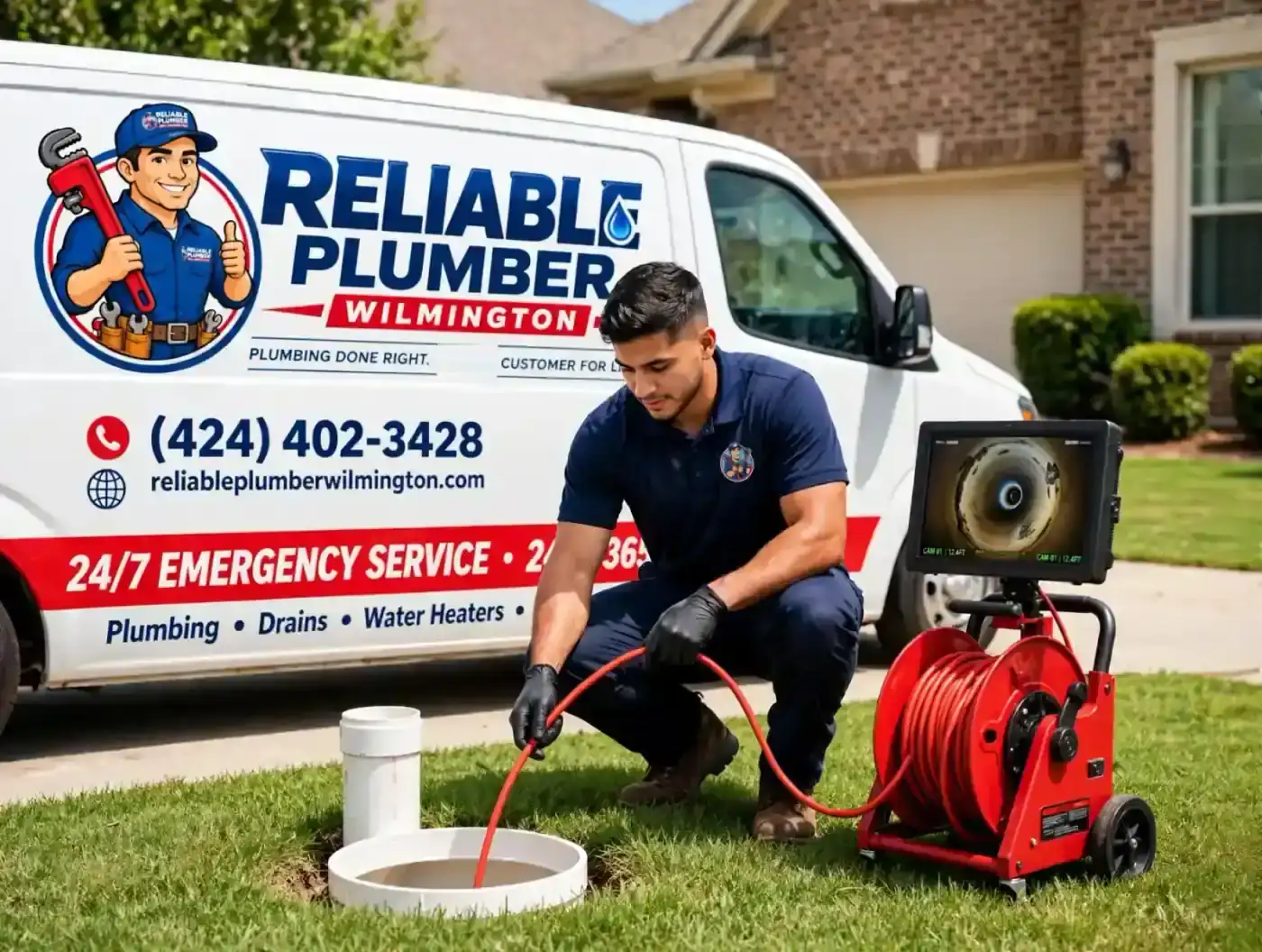
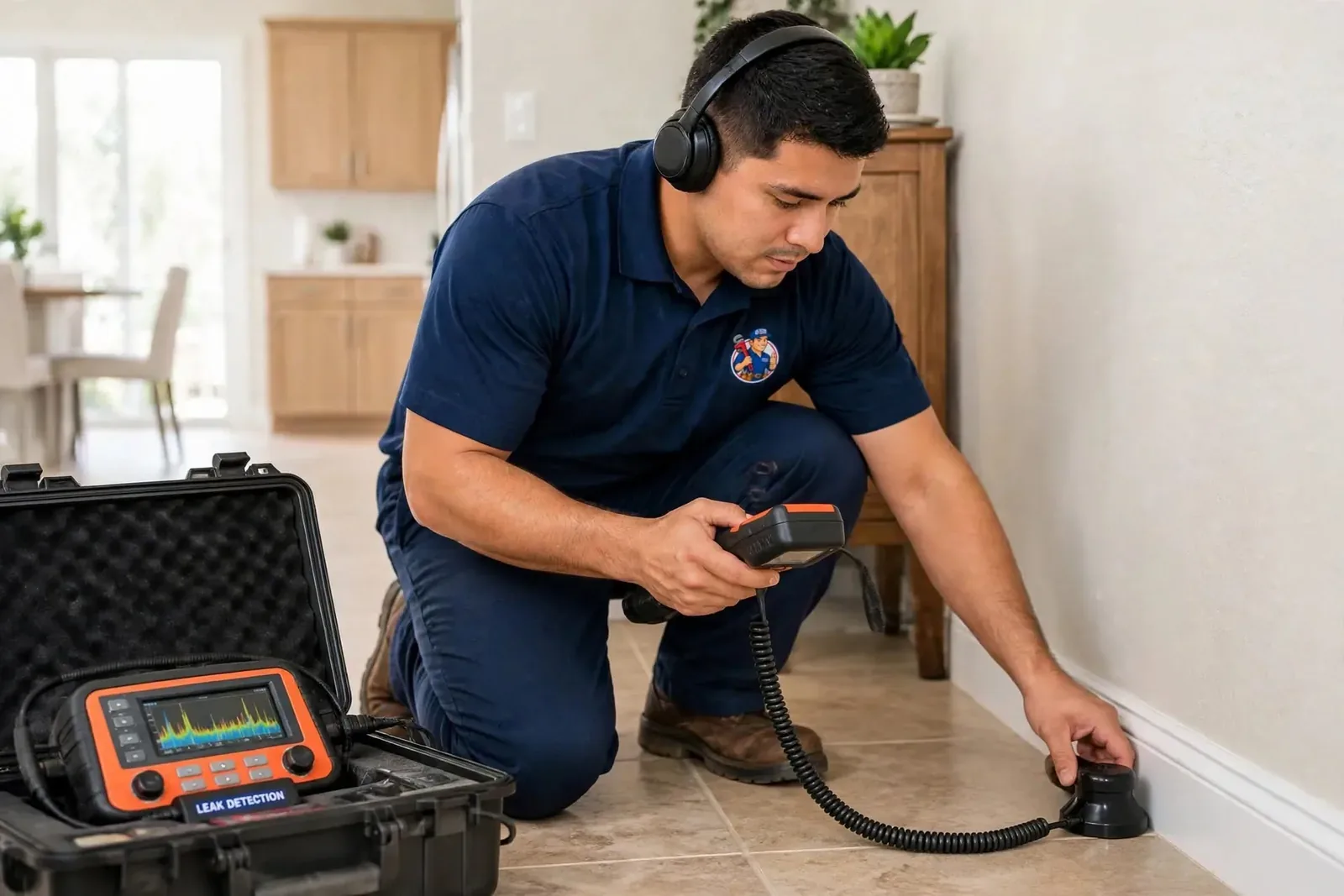
Ground moisture is normal in Naples, which is exactly why a damp patch is weak evidence on its own. We locate leaks by acoustic listening and thermal imaging rather than by following the wet, because on an island built from dredged fill the wet may have nothing to do with your plumbing. Tell us if the damp changes through the day, since that is useful information.
A water bill that jumped with no change in use, running water with every tap closed, a warm patch on the floor, or a stain with no obvious source.
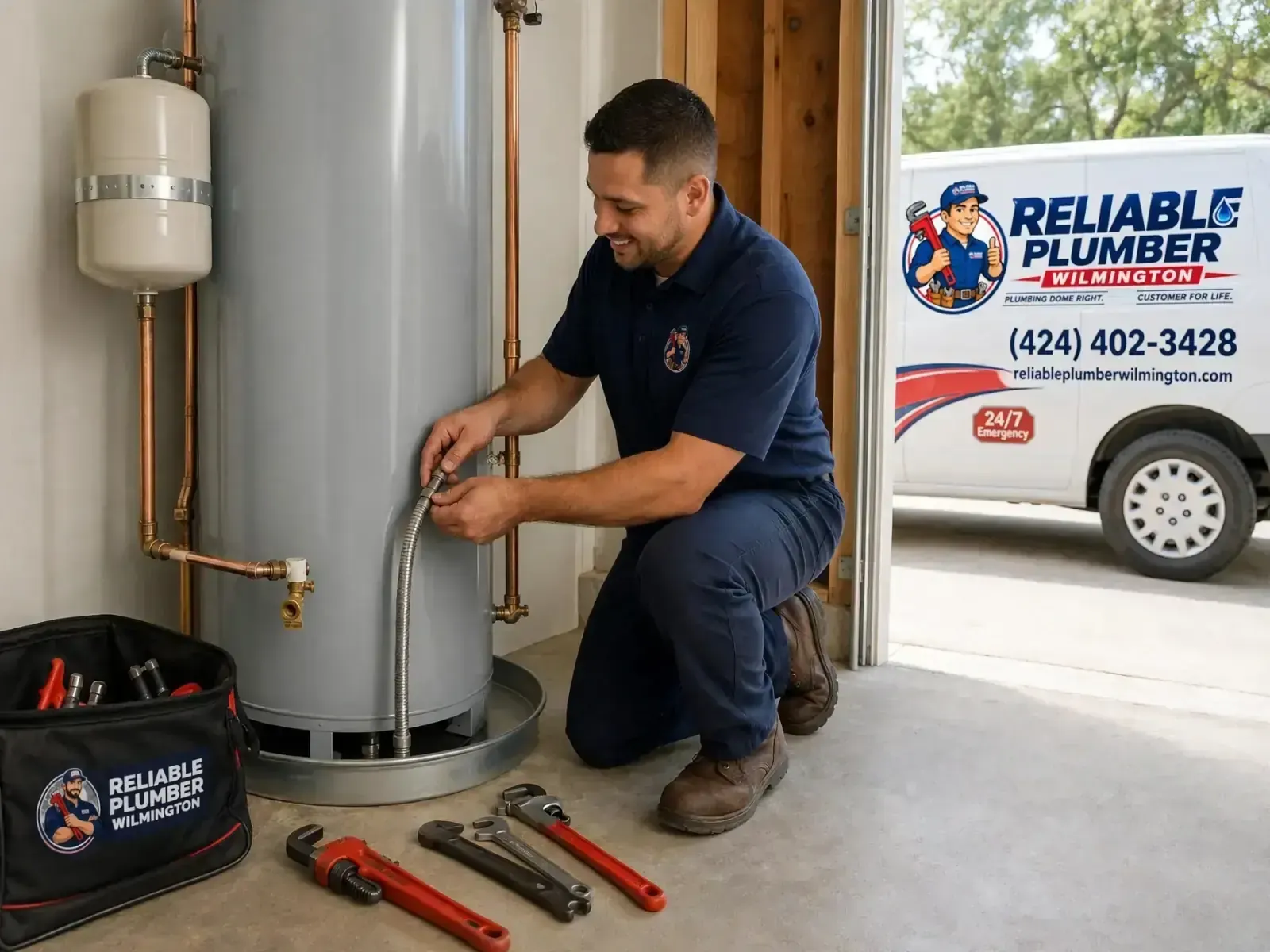
Permits come from Long Beach rather than LADBS. The bigger practical issue in Naples is the buildings themselves: early-1900s houses and 1930s rebuilds were not planned around a modern tank, so clearance, venting and combustion air need confirming before anything is ordered. Coastal air is also unkind to flue and vent terminations here. Strapping is state code throughout - two straps at the upper and lower third into framing, the lower at least four inches above the gas control.
No hot water, rumbling or popping, water pooling at the base, or a unit past twelve years old that is worth replacing on your schedule rather than its own.
Naples housing spans the original early-1900s construction and the rebuilding that followed the 1933 earthquake, so two properties on the same street can be running very different vintages of pipe. Before recommending anything we establish what is actually installed and how much of it is original, because in a setting like this the buried sections are the ones most worth attention.
Rust-tinted water, pressure falling across the whole house, or a second and third leak on the same ageing supply system.
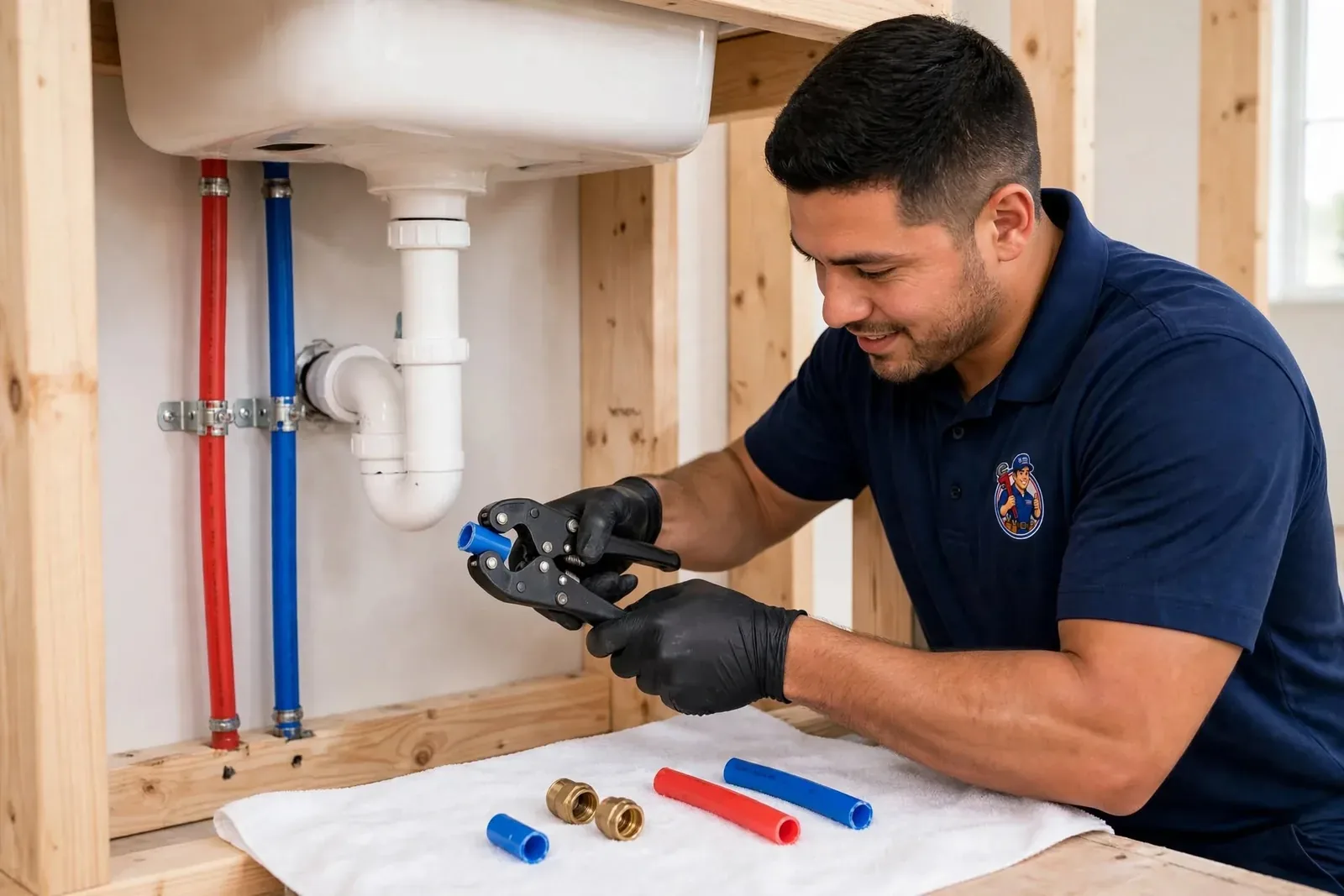
Foundation type varies across Naples and is the first thing we confirm, since a good deal of the original housing predates slab construction. Where a property is on slab, settlement on made ground is a plausible contributor alongside the usual causes, so we locate precisely with acoustics and thermal imaging before opening concrete rather than cutting toward a damp patch.
A warm patch on the floor, water audible with every fixture closed, or an unexplained bill increase on a slab-on-grade property.

Pressure follows the camera here more strictly than usual, because pipe age varies so much between properties. Sound lateral takes 2,500 to 3,000 PSI; older or compromised sections are run at 1,500 to 2,000 PSI. Jetting is also the right tool where a line has been taking in groundwater and silt through an open joint, since cabling does nothing about the deposit that leaves behind.
Blockages that keep returning, kitchen lines with a grease history, and scaled cast iron where cabling only bores a channel.
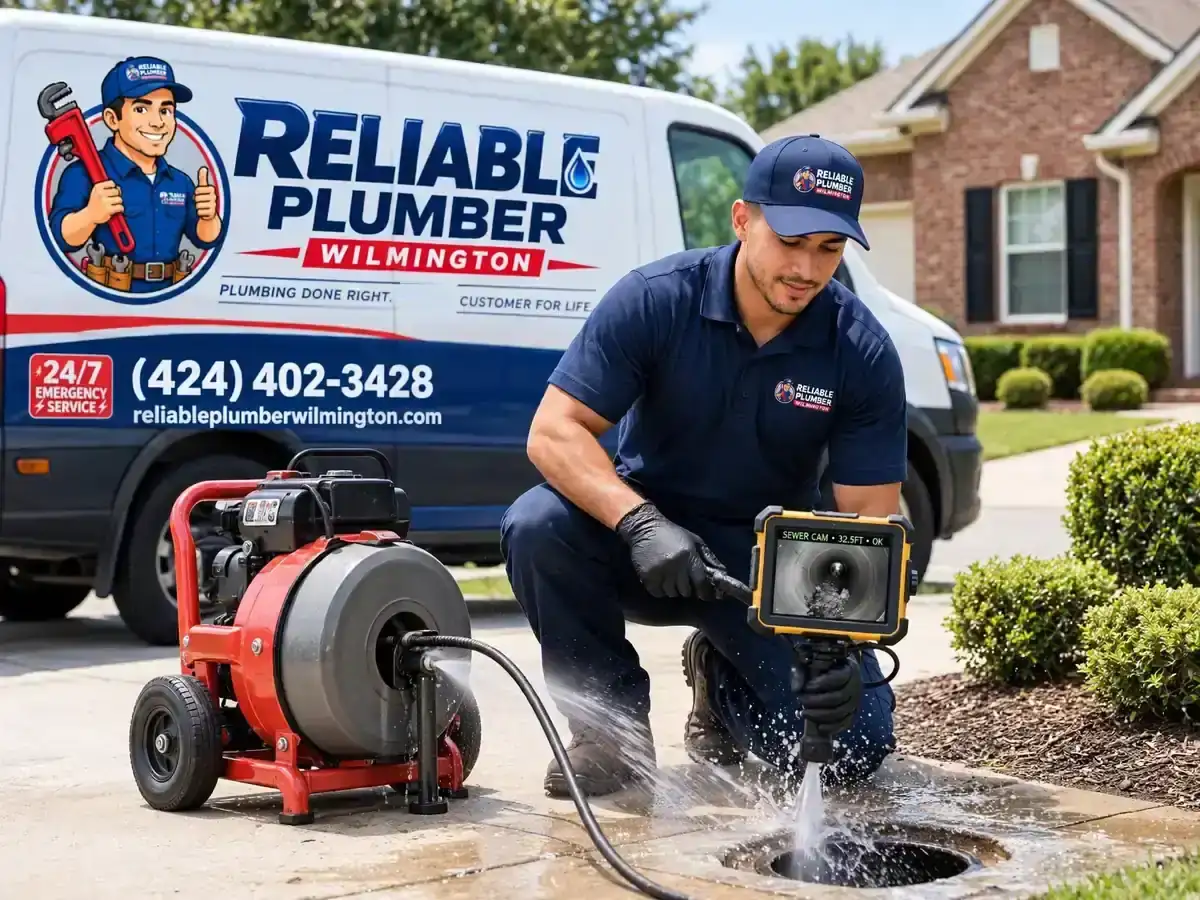
Older Naples properties frequently have non-standard rough-in spacing and tight bathroom footprints, so measuring before ordering is not optional if a wasted trip is to be avoided. On any fixture predating 1994 the water case is straightforward as well: 3.5 gallons a flush or more against California's 1.28 gallon standard, with SB 407 bringing replacement into scope during a remodel.
Running or phantom-flushing toilets, weak flush, water seeping at the base, or replacing a pre-1994 fixture using 3.5 gallons a flush.
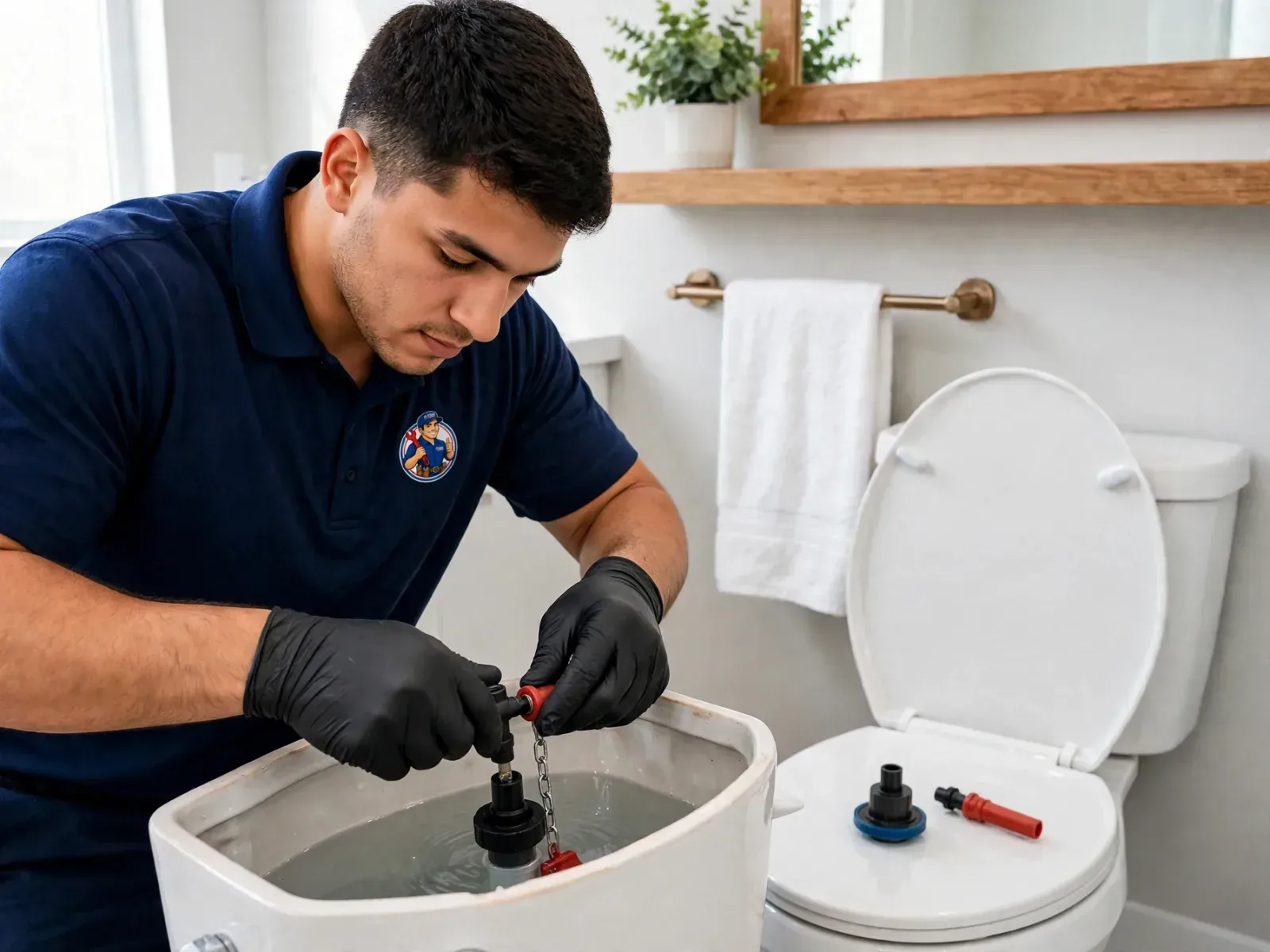
Naples is on Long Beach Utilities supply, which carries enough dissolved mineral to wear cartridges and valve seats faster than manufacturer guidance suggests. The coastal position adds a second front, with salt air attacking exposed fixture hardware from the outside. Where an older property still has original supply pipe, corrosion carried out of the pipe is a third cause on top of both.
Dripping spouts, stiff handles, leaking handle bases, or flow that has dropped at one fixture while the rest of the house is fine.
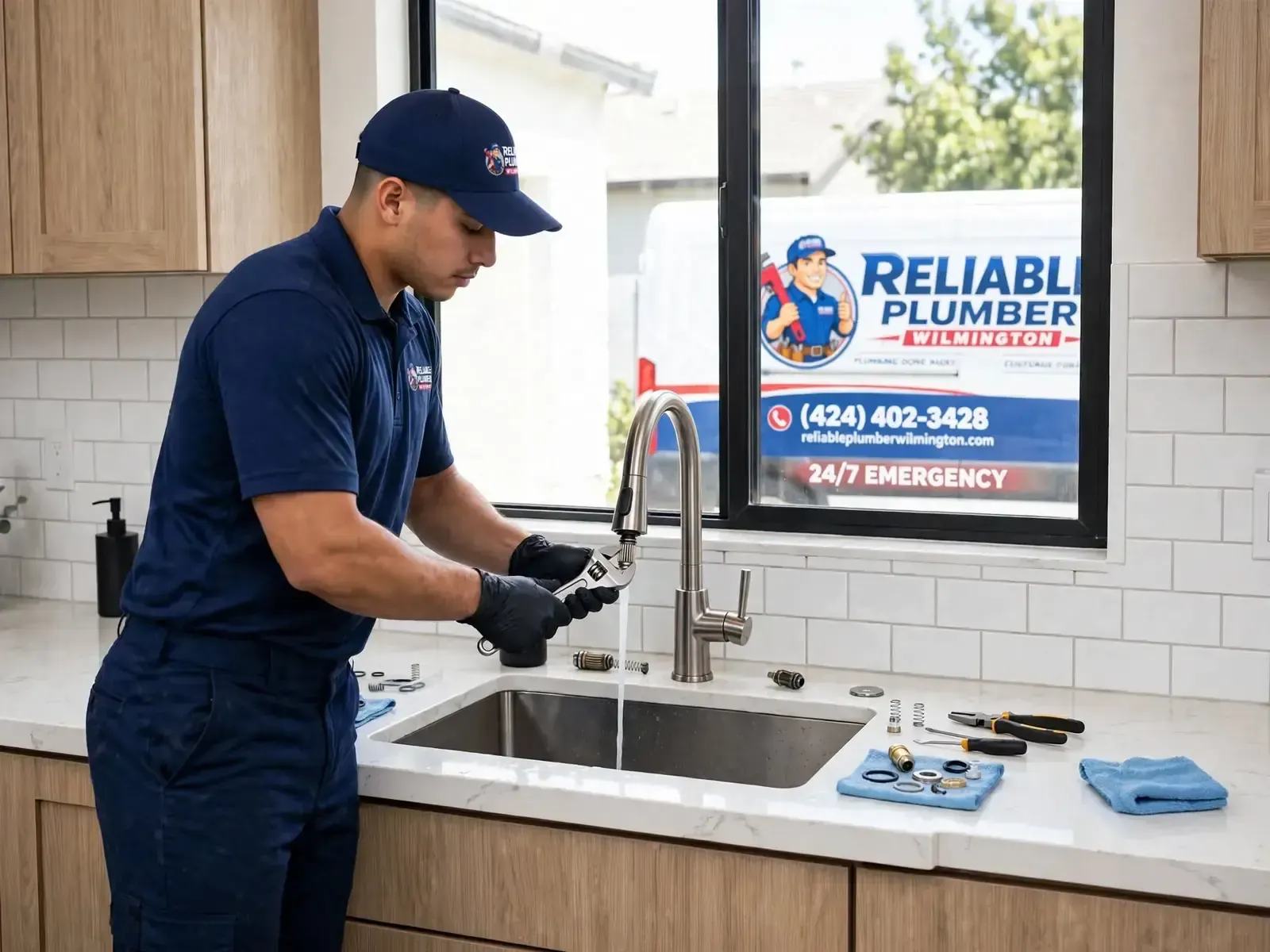
Tell the dispatcher your street and which island you are on, because access across the bridges and along the narrow canal-side streets is not always obvious and it affects how we approach. Shut the main off first. If water is rising rather than draining away, mention that too - on low-lying ground it changes what we bring.
Burst supply lines, sewage backing up, main line breaks, and water heater failures - anything where water is causing damage right now.

Covering a city properly means knowing what changes at its boundary. Here, several things do.
Naples was raised out of Alamitos Bay marshland, so groundwater sits close and moves with the tide. A trench may need dewatering and a cracked lateral takes water in - we confirm conditions on site before pricing.
Built above high tide, 1905The islands were raised with concrete walls and sand dredged from the bay. Differential settlement on fill offsets sewer joints and creates bellies, which is why a recurring backup here deserves a camera rather than another cabling.
Dredged fill on former tidelandGround moisture is normal on an island, so a wet patch proves very little by itself. We locate with acoustics and thermal imaging instead, which is what keeps a repair from starting in the wrong place.
Acoustic · thermal locationBridges, narrow canal-side streets and tight lots make equipment access a real constraint. That is a genuine argument for trenchless sewer methods here rather than an upsell, and we price both.
Trenchless options pricedCamera footage on sewer recommendations, thermal and acoustic on hidden leaks, findings written down. Where ground conditions drive the price, you should be able to see the conditions.
Camera · written findingsNaples is three connected islands in Alamitos Bay, and we cover the surrounding waterfront neighbourhoods with it.
The Rivo Alto Canal loops through the main island in a semi-circle and the shorter Naples Canal runs straight, together making up about a mile of waterway - all of it excavated from 1905 onward, with the land between raised above the high-tide line using concrete walls and dredged sand. Appian Way and the streets around it carry the early-1900s Mediterranean housing the development is known for, stucco walls and tile roofs, much of it rebuilt or repaired after the 1933 Long Beach earthquake. Belmont Shore and the Second Street corridor sit just across the water and share the same utilities and much of the same era. What unites the whole area from our side of it is the ground: low-lying, close to a tidally influenced water table, and in Naples itself entirely man-made.
Licensed, bonded and insured · 24/7 dispatch · diagnosis before price · findings in writing
Five categories covering everything from a slow drain to a full repipe.
We reach Naples from Wilmington 90744, and cover 30 cities across Los Angeles County and north Orange County. These are the communities closest to Naples.
Coverage, permits, water and what is specific to this city.
Yes - Naples Island itself and the surrounding Alamitos Bay neighbourhoods including Belmont Shore and the Second Street corridor. It is a short run from our Harbor Area base.
Yes. Naples is a neighbourhood of Long Beach, so Long Beach Utilities supplies the water and handles wastewater, and permits come from the city. The Los Angeles City programmes such as the LASAN rebate and the LADWP billing adjustment do not apply.
Because the islands are man-made. The site was tidal marshland - submerged at high tide - until construction began in August 1905, when crews excavated the canals and raised the land above the high-tide level using concrete walls and sand dredged from the bay. That fill is what everything is built on.
It can, substantially. Groundwater sits close here and is tidally influenced rather than static, so a trench for sewer or supply work may need dewatering before anyone can work in it. A lateral with a crack or open joint will also take groundwater in, which causes backups on a pattern unrelated to how much water the household uses.
On made ground a common cause is a belly - a section of line that has settled, creating a low point where material collects. Clearing the blockage does not change the shape of the pipe, so it returns. A camera identifies this quickly, and it is worth doing before paying for a third cabling.
It is the first thing we look at. Buried metal in low-lying ground beside saline water generally has a harder time than the same pipe inland, though how much depends on the specific property, what material is installed and how deep it runs. We check rather than assume, because that is the difference between a spot repair and a replacement.
Yes, but it needs planning. Bridge access, narrow streets and tight lots are real constraints in Naples, which is why we price trenchless sewer options alongside open excavation rather than assuming a dig is straightforward.
Mostly early 1900s in Mediterranean style with stucco walls and tile roofs, developed through to the 1920s and then substantially rebuilt after the 1933 Long Beach earthquake with WPA support. That means two properties on one street can be running different vintages of pipe.