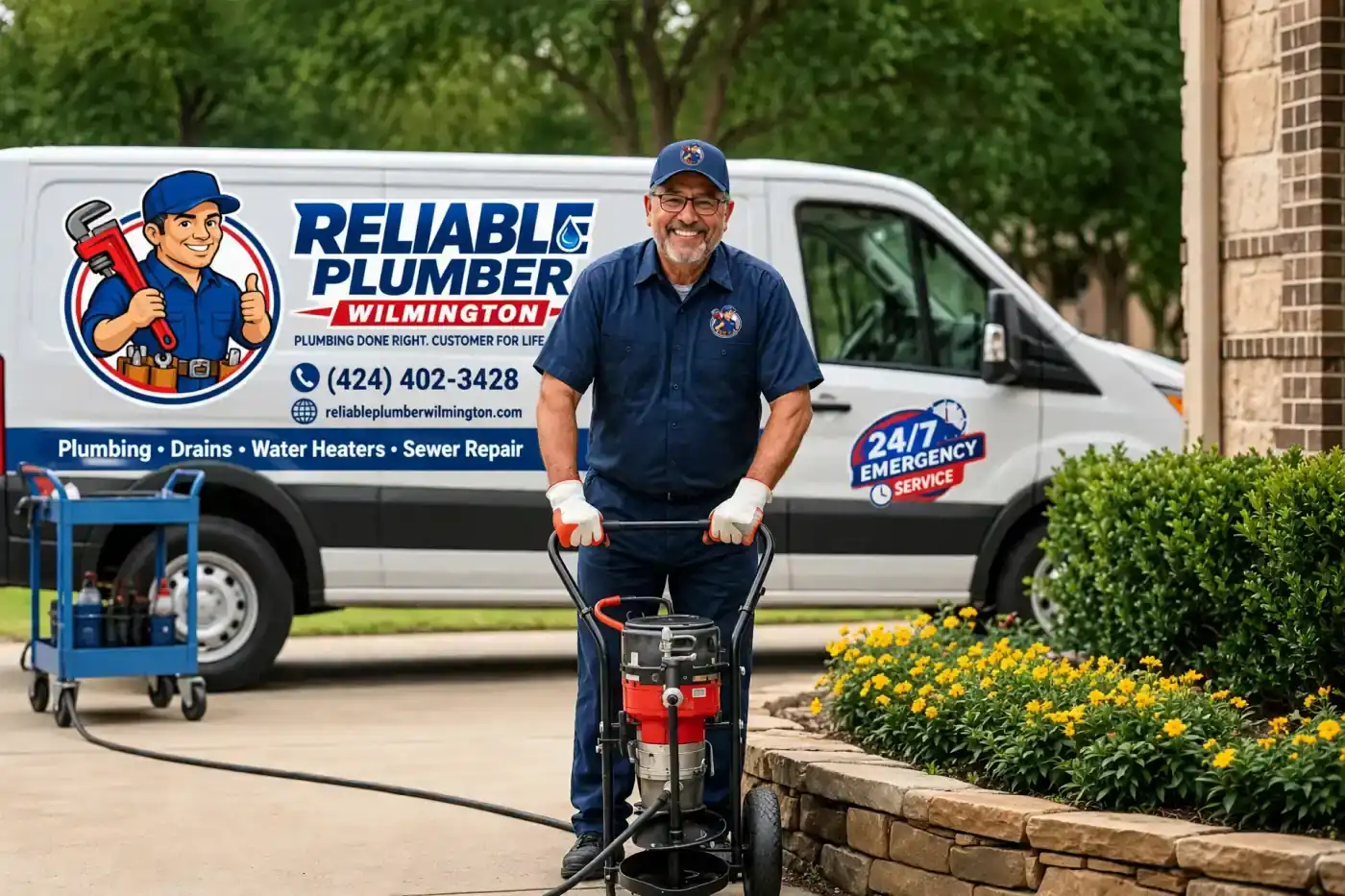
Fountain Valley is named for the water under it. That history is not just trivia - where groundwater sits close to the surface it changes how sewer excavation is done and how a cracked lateral behaves.











The city's name is a plumbing fact. Fountain Valley was called Talbert before incorporation in 1957 - and locally, less flatteringly, the Gospel Swamps - and the name it chose refers to the very high water table in the area at the time, along with the many artesian wells that came with it. Groundwater depth varies from site to site and has changed over the decades, so it is not something to assert street by street from a desk. But where it does sit close to the surface it has two practical consequences: a trench for sewer or supply work may need dewatering before anyone can work in it, and a lateral with a crack or an open joint will take groundwater in rather than only letting sewage out. That second one shows up as a line that runs wet and backs up in a pattern that does not match the household's water use.
Fountain Valley is also where Orange County's water infrastructure physically lives. The Orange County Sanitation District has its administrative offices and its primary treatment plant here, beside the Santa Ana River. The Orange County Water District, which manages the groundwater basin for central and northern Orange County, operates the Groundwater Replenishment System - the world's largest water purification plant for groundwater recharge - in the same city. Your own supply comes from the City of Fountain Valley Water Department, established in 1957 alongside the city, which blends groundwater from six city wells with a single imported connection carrying water from Northern California and the Colorado River.
The housing is 1970s tract development. Across 19,250 units the median construction year is 1972, so copper supply and ABS drain line on slab foundations are the norm rather than the galvanized steel and cast iron of the harbour cities. Roughly two thirds of occupied units are owner-occupied. That combination - young pipe, slab construction and a genuinely notable groundwater history - means the problems here cluster differently than anywhere else we cover.
Reliable Plumber Wilmington covers Fountain Valley across west Orange County. We handle drain cleaning, sewer line repair, leak detection, water heater work, repiping and the rest - diagnosis before price, camera evidence on sewer work, and the finding written down.
Building permits come from the City of Fountain Valley, and water questions go to the city's own water department. As anywhere in Orange County, the Los Angeles City programmes do not apply - there is no LASAN sewer lateral rebate and no LADWP billing adjustment here. California state requirements are the same statewide: SB 407 on fixtures during a remodel, the 80 psi pressure ceiling with a regulator above it, and seismic strapping on water heaters.
Fountain Valley drain lines are mostly ABS plastic from the early 1970s, so they have not narrowed the way older cast iron does. When a line here backs up repeatedly without an obvious cause, one thing worth ruling out is groundwater entering through a crack or an open joint - a lateral taking water in behaves differently from one that is simply obstructed, and a camera shows the difference.
Slow or blocked kitchen, bath, shower and laundry lines - and any drain that has already been cleared once and blocked again.
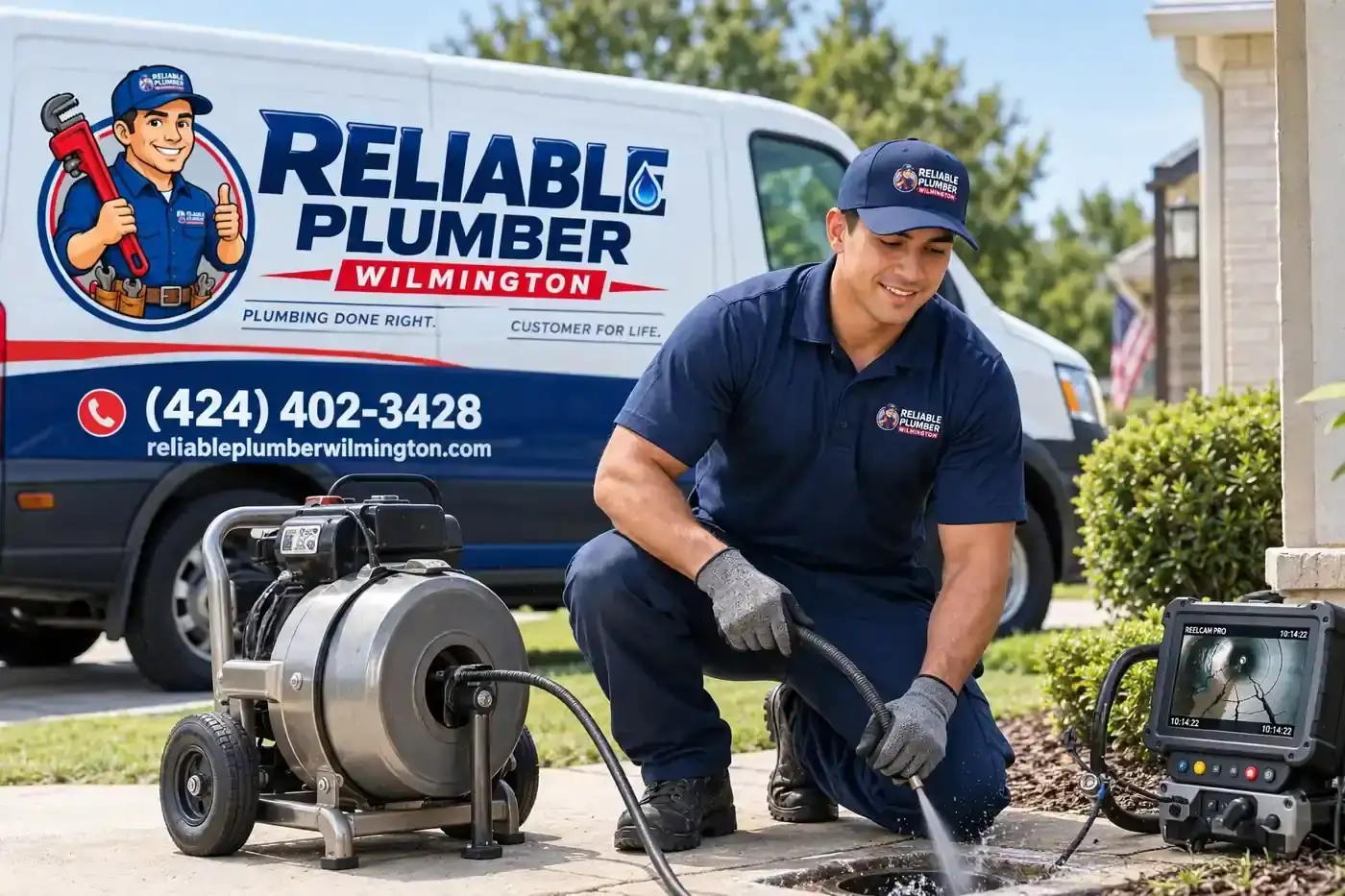
This is the service where Fountain Valley's groundwater history matters most. Where the water table sits high at a particular site, an excavation may need dewatering before the repair can be made, and a cracked lateral will admit groundwater as well as leaking. Both change the scope, so we confirm conditions on site rather than pricing from assumptions. Permits come from the City of Fountain Valley.
Recurring backups, several fixtures slow at once, sewer odour, or a line a camera has shown to be cracked, offset or root-invaded.
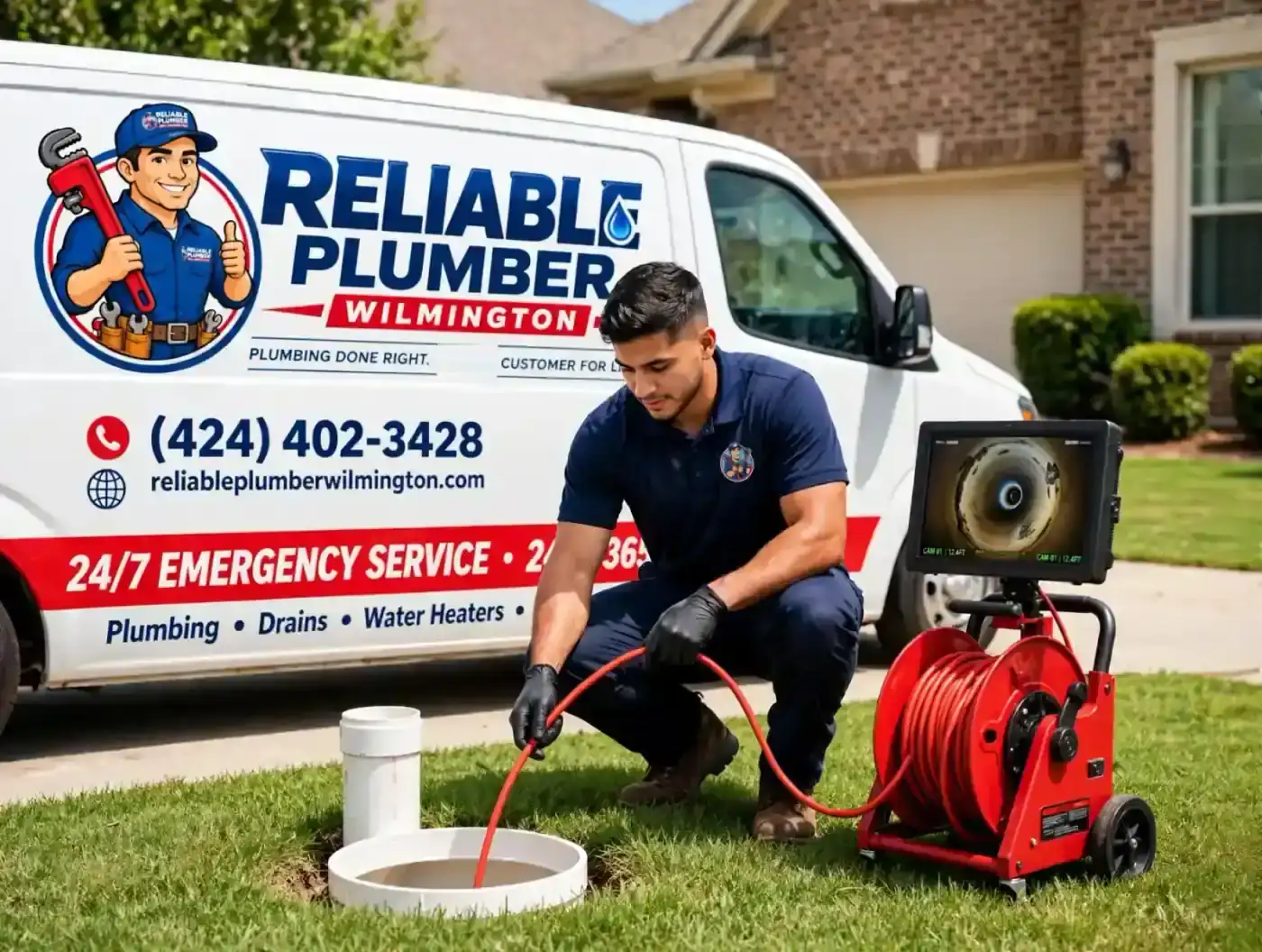
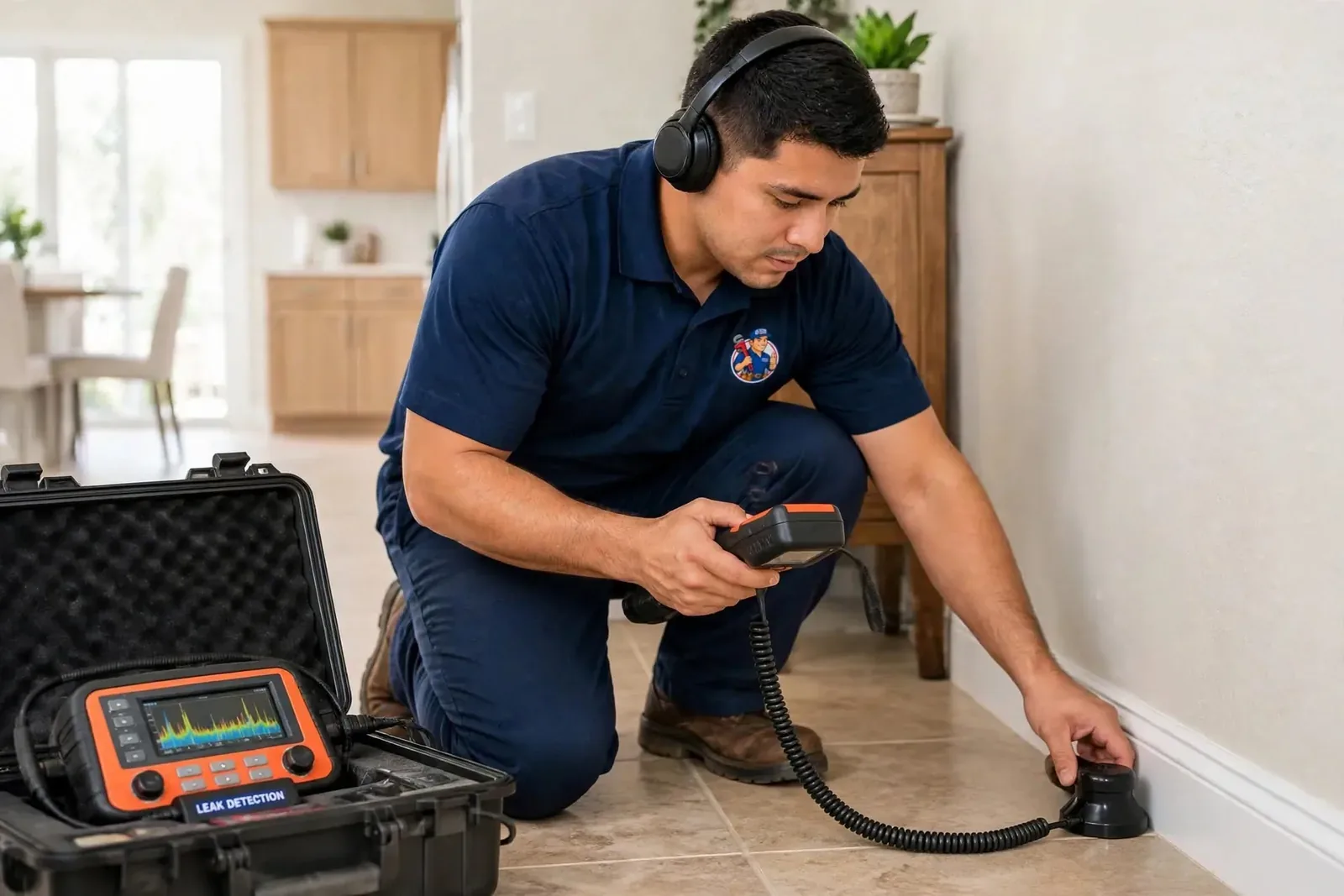
The city is slab-on-grade 1970s tract housing, so a hidden supply leak has nowhere visible to show itself. Thermal imaging finds the heat signature of a hot line under concrete and acoustic listening narrows it to inches. Ground moisture is worth mentioning to us when you call, because damp that comes from below is a different diagnosis from damp that comes from a pipe.
A water bill that jumped with no change in use, running water with every tap closed, a warm patch on the floor, or a stain with no obvious source.
Permits come from the City of Fountain Valley, and the code is California state law throughout: two seismic straps at the upper and lower third anchored into framing rather than drywall, with the lower strap at least four inches above the gas control. Because a good share of the city's water is well water from the local basin, annual tank flushing earns its keep here - groundwater carries more sediment into the tank than a fully imported supply would.
No hot water, rumbling or popping, water pooling at the base, or a unit past twelve years old that is worth replacing on your schedule rather than its own.
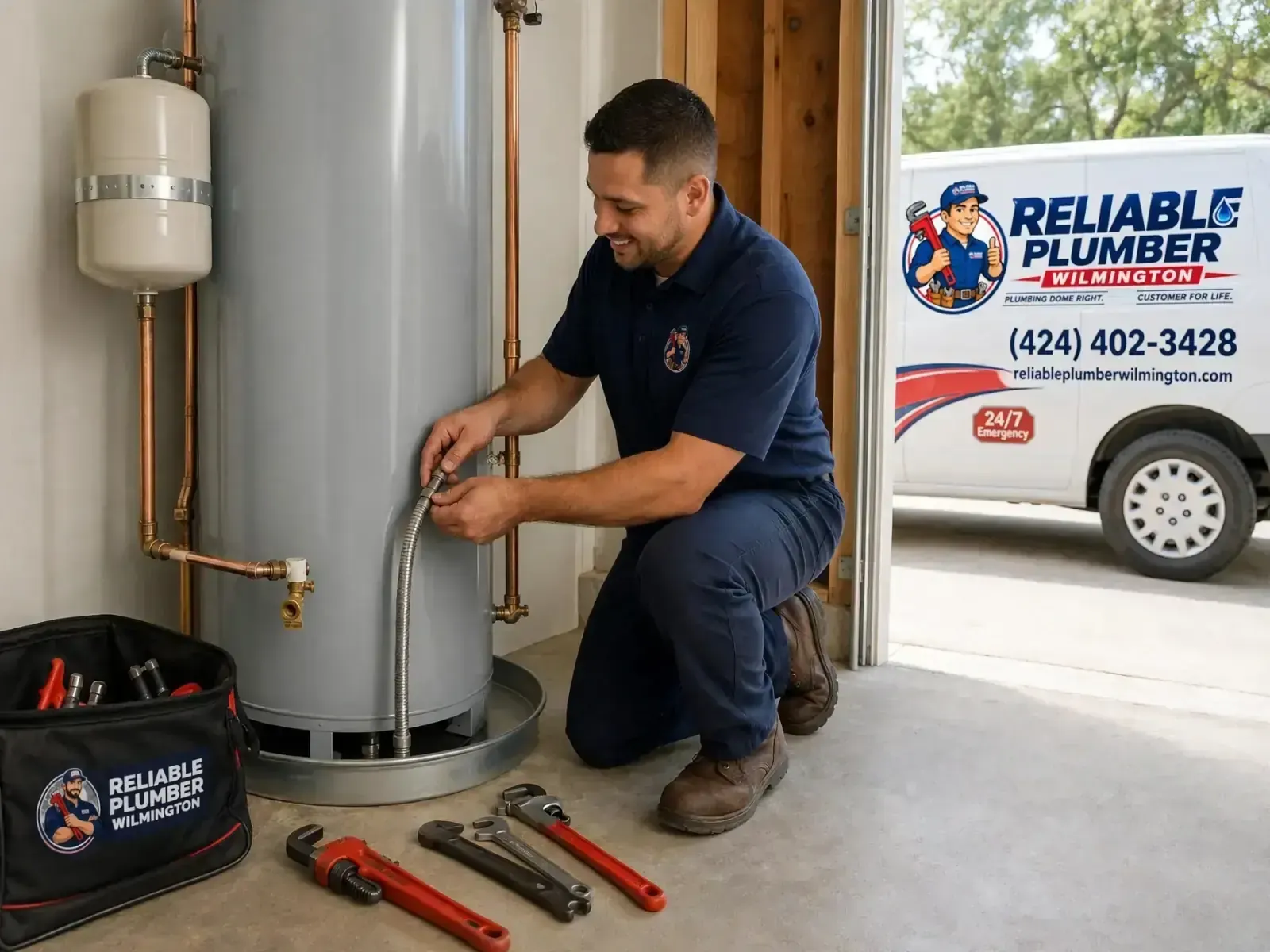
A 1972 median build year puts Fountain Valley past galvanized steel and into copper, so whole-house rust and falling pressure are not the usual story. Copper fails by pinhole instead, and the tell is a second and third small leak following the first within a year or two. Later phases of the city also reach into the era when polybutylene supply pipe was in use, which is worth identifying if it applies to your build date.
Rust-tinted water, pressure falling across the whole house, or a second and third leak on the same ageing supply system.
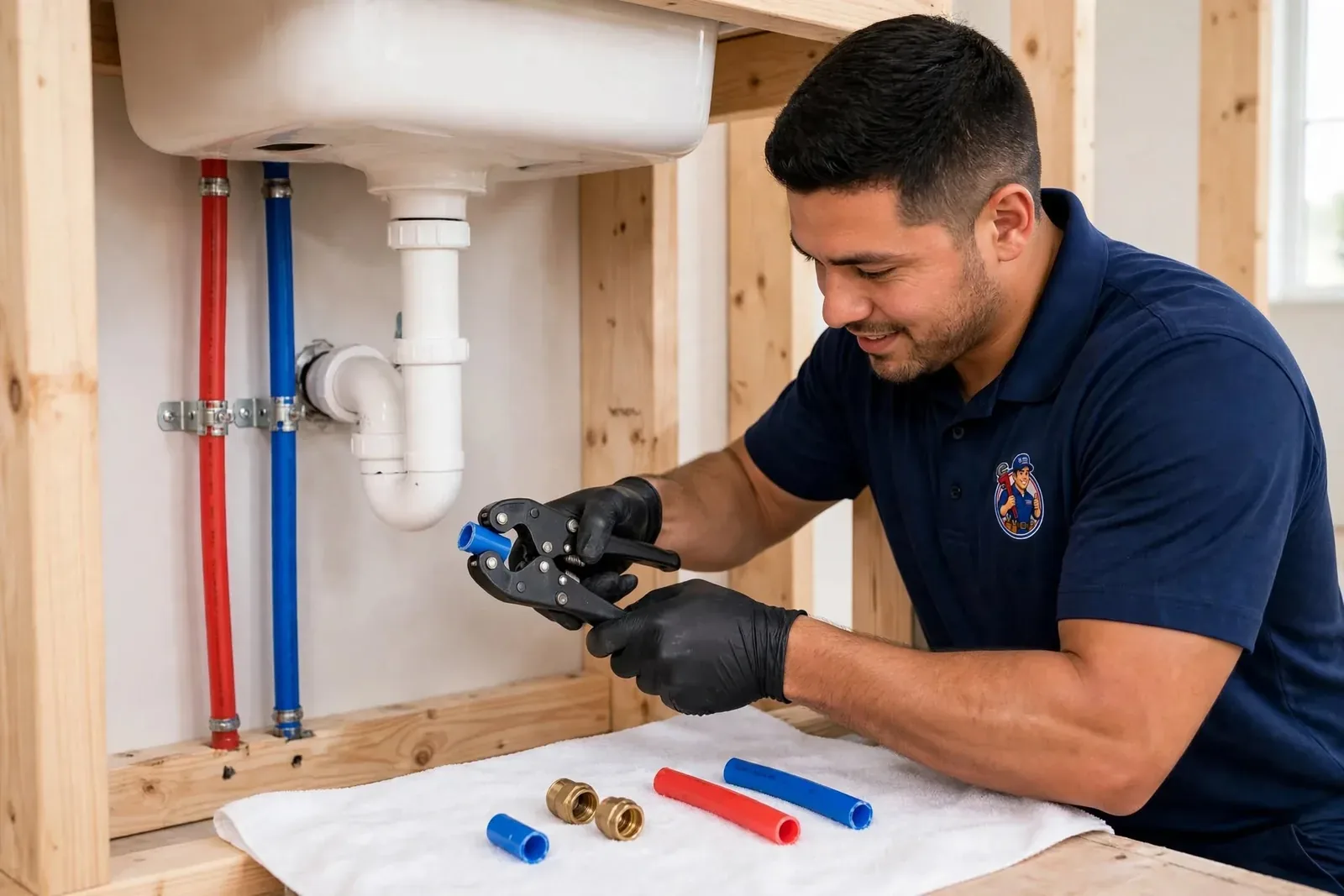
Effectively all of Fountain Valley sits on slab foundations, so this is a common job here. The usual signals are a warm patch on the floor, an unexplained jump in the water bill, or running water audible with every fixture shut. Because soil moisture can be a factor locally, we locate the leak precisely with acoustics and thermal imaging before any concrete is opened rather than working from the damp patch alone.
A warm patch on the floor, water audible with every fixture closed, or an unexplained bill increase on a slab-on-grade property.
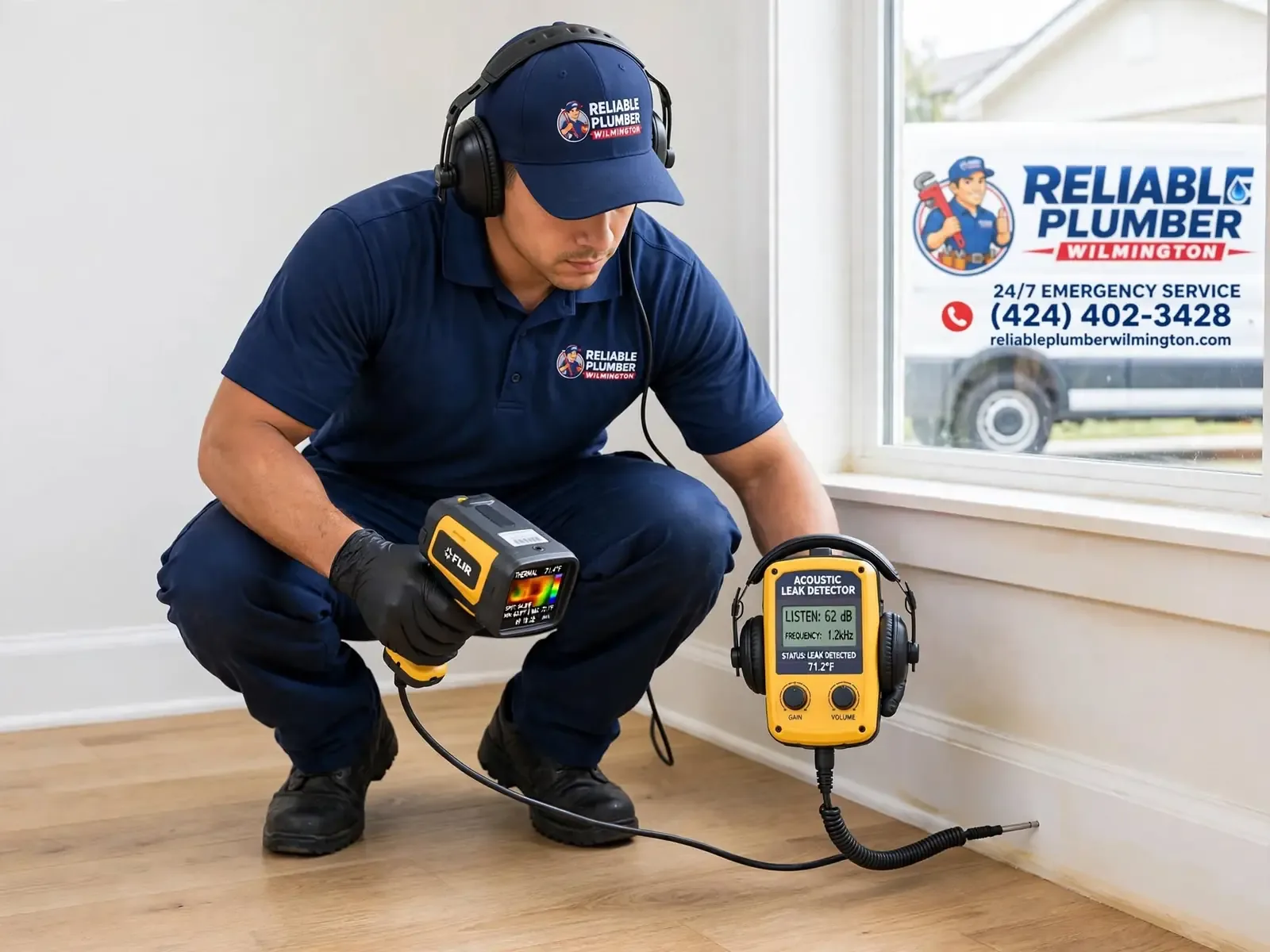
ABS plastic handles jetting well, so a sound Fountain Valley lateral takes the full 2,500 to 3,000 PSI and comes back to its original diameter. Where jetting earns its place particularly here is on lines carrying root intrusion at a joint, since the same conditions that let roots find a joint will also let groundwater in. We camera before and after so you can see what changed.
Blockages that keep returning, kitchen lines with a grease history, and scaled cast iron where cabling only bores a channel.
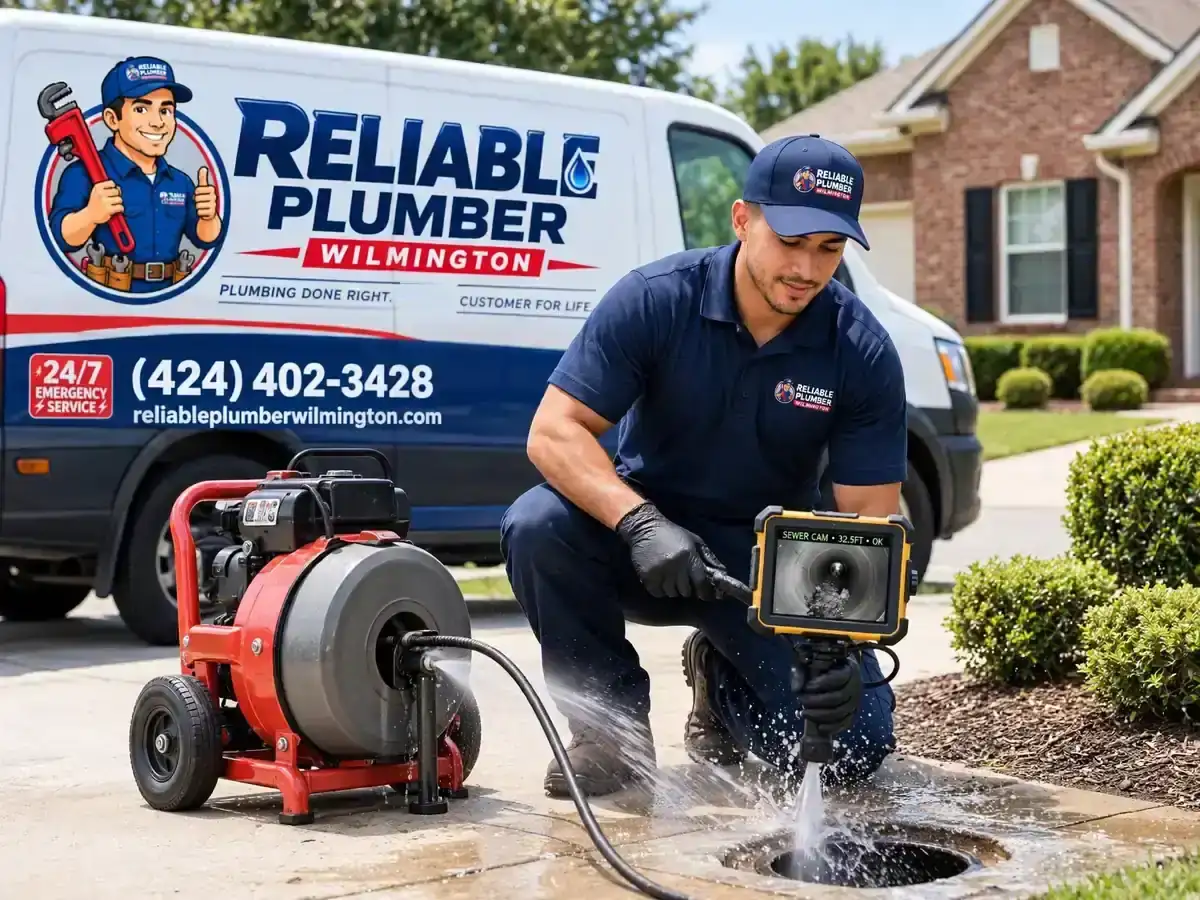
With around two thirds of Fountain Valley homes owner-occupied, most fixture calls come from the person who will make the decision. Original 1970s toilets still in place are using 3.5 gallons a flush or more against California's 1.28 gallon standard, and SB 407 brings replacement into scope during a remodel - which usually makes the upgrade pay back faster than people expect.
Running or phantom-flushing toilets, weak flush, water seeping at the base, or replacing a pre-1994 fixture using 3.5 gallons a flush.
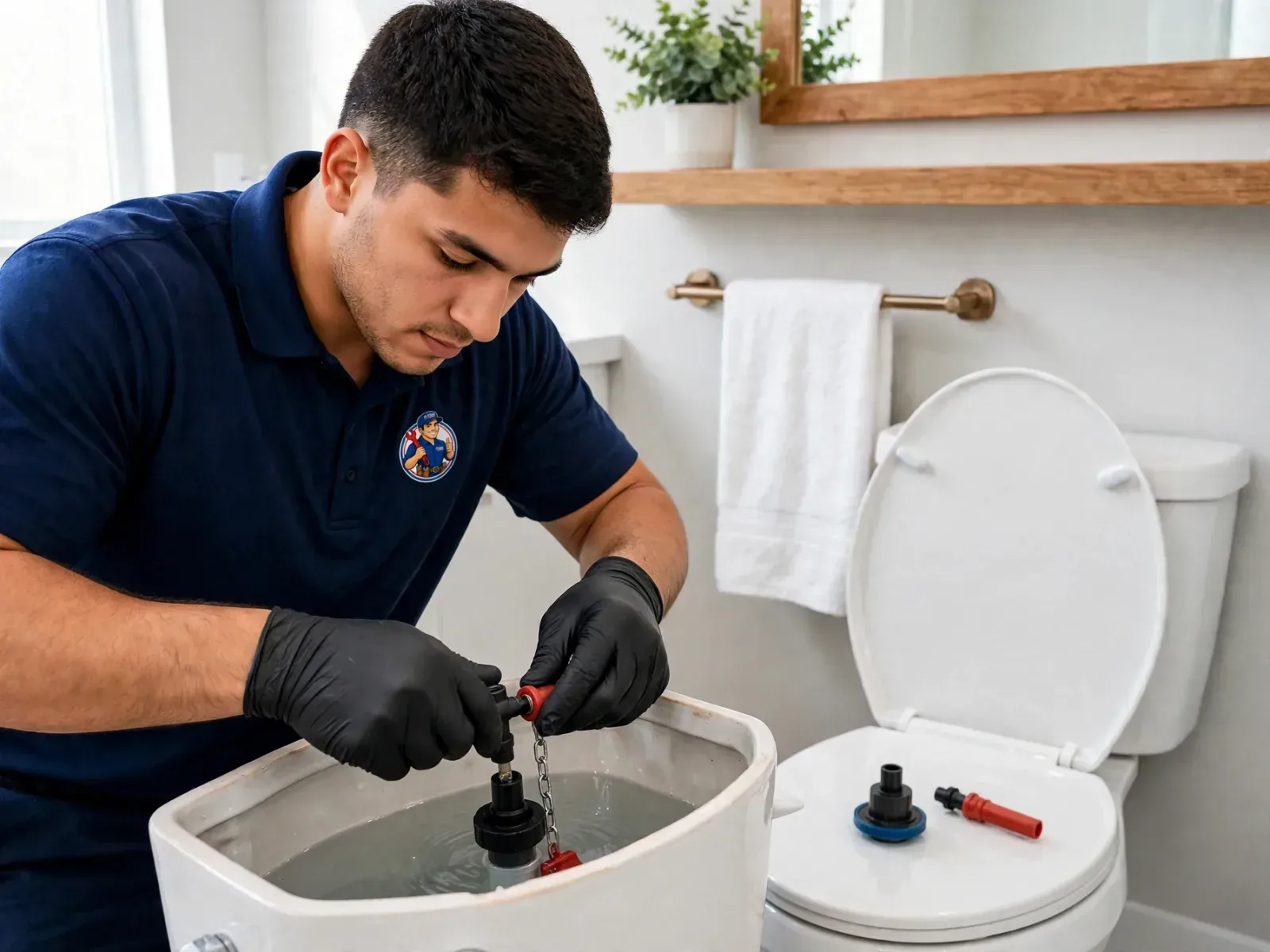
Fountain Valley blends water from six city wells with a single imported connection, and well water from the local basin carries dissolved mineral that wears cartridges and valve seats. If a tap you had rebuilt has started dripping again inside a couple of years, that mineral load is the likeliest explanation rather than the repair itself.
Dripping spouts, stiff handles, leaking handle bases, or flow that has dropped at one fixture while the rest of the house is fine.
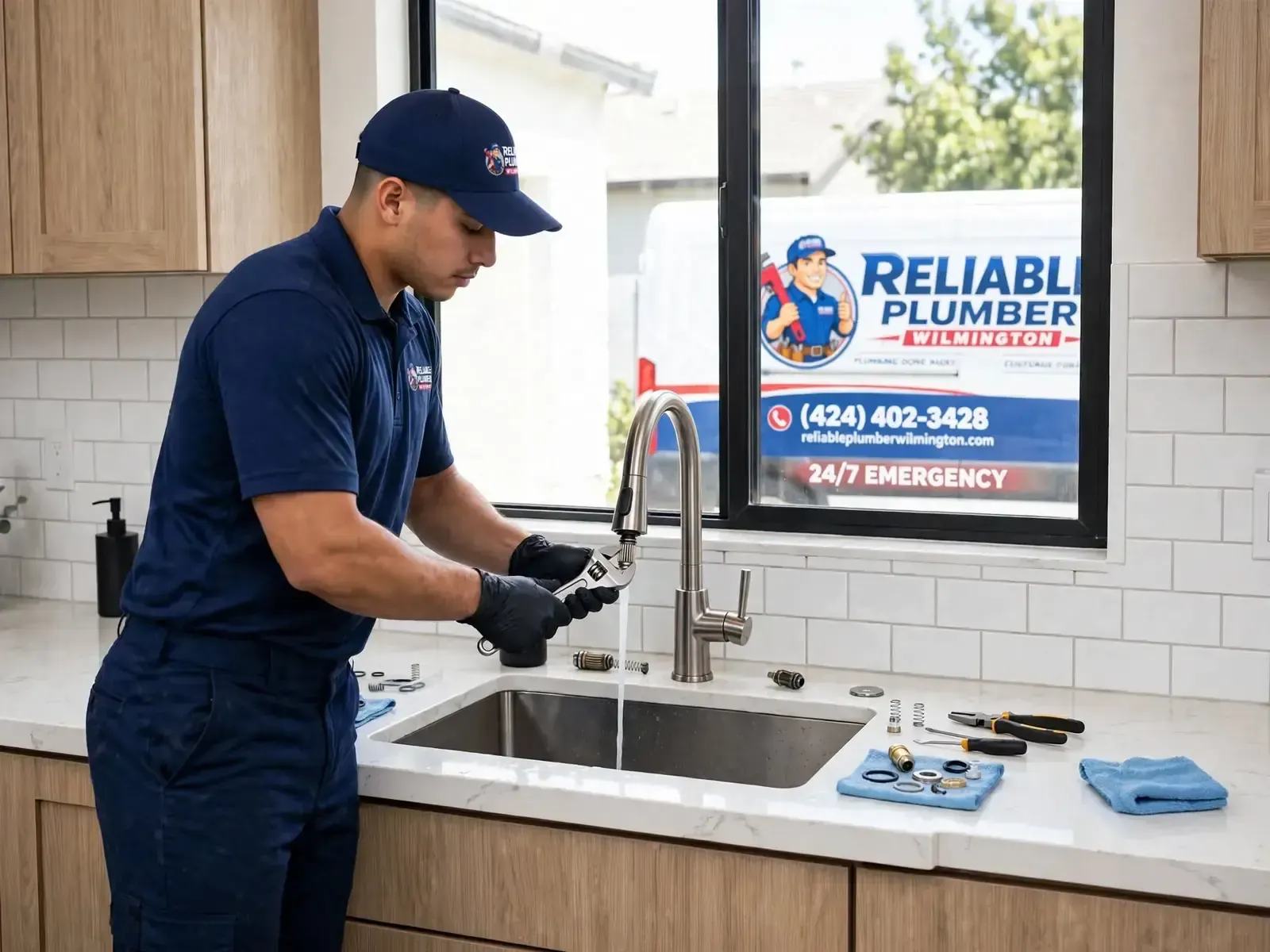
Fountain Valley is straightforward to reach from our side of the harbour. Close the main shut-off first - on a 1970s slab home it is usually on the street side near the meter - and tell the dispatcher whether the water is clean or sewage, because the two need different equipment on the van. Keep people clear of any standing water near outlets.
Burst supply lines, sewage backing up, main line breaks, and water heater failures - anything where water is causing damage right now.

Covering a city properly means knowing what changes at its boundary. Here, several things do.
The city is named for its historically high water table and artesian wells. Where groundwater sits shallow at a site, a trench needs dewatering and a cracked lateral takes water in - so we confirm conditions before pricing, not during.
Named for its artesian wellsA lateral admitting groundwater behaves differently from one that is simply obstructed, and it backs up on a pattern that has nothing to do with your water use. A camera tells the two apart in minutes.
Camera-confirmed diagnosisOCSD's headquarters and primary treatment plant sit in Fountain Valley, and OCWD runs its Groundwater Replenishment System here too. Your retail supply, though, comes from the city's own water department.
OCSD · OCWD · City waterA 1972 median build year across 19,250 units means copper, ABS and slab-on-grade throughout. That points the diagnosis at pinhole leaks and slab leaks rather than the rust and scale of older cities.
Median build year 1972Camera footage on sewer recommendations, thermal and acoustic on hidden leaks, findings in writing. On a job where site conditions affect the price, you should see the conditions for yourself.
Camera · written findingsFountain Valley is compact and largely built in one era, bounded by the Santa Ana River on its eastern edge.
Talbert Avenue still carries the name the city went by before it incorporated in 1957, and the eastern edge follows the Santa Ana River - which is also where the Orange County Sanitation District's primary plant and administrative offices sit. Mile Square Park anchors the middle of the city. The housing across all of it is remarkably consistent: 19,250 units with a median construction year of 1972, built on slab with copper supply and ABS drains, and about two thirds owner-occupied. The variable that does move from site to site is the ground itself. The name Fountain Valley records a historically high water table and the artesian wells that came with it, and depth to groundwater differs across the city and has shifted over the decades - which is exactly why we check on site rather than assume.
Licensed, bonded and insured · 24/7 dispatch · diagnosis before price · findings in writing
Five categories covering everything from a slow drain to a full repipe.
We reach Fountain Valley from Wilmington 90744, and cover 30 cities across Los Angeles County and north Orange County. These are the communities closest to Fountain Valley.
Coverage, permits, water and what is specific to this city.
Yes, across the city. Fountain Valley sits in west Orange County within our regular coverage, close to Huntington Beach and Westminster, which we also serve.
The name refers to the very high water table in the area when it was chosen, and to the many artesian wells that came with it. The city was previously known as Talbert, and locally as the Gospel Swamps, before it incorporated in 1957.
It can, and it depends on the site. Groundwater depth varies across the city and has changed over the decades, so it is not something to state street by street in advance. Where groundwater is shallow, a trench for sewer work may need dewatering first, and a lateral with a crack or open joint will take groundwater in as well as leaking out. We confirm conditions on site.
The City of Fountain Valley Water Department, established in 1957 along with the city. It blends groundwater from six city wells with one imported connection carrying supply from Northern California and the Colorado River.
To the Orange County Sanitation District, whose administrative offices and primary treatment plant are located in Fountain Valley itself, beside the Santa Ana River.
It is the Orange County Water District's water purification plant for groundwater recharge - the largest of its kind in the world - and it operates in Fountain Valley. OCWD manages the groundwater basin that supplies wells across central and northern Orange County, including the city's own.
Yes. The city is almost entirely slab-on-grade tract housing with a 1972 median construction year, so supply lines run through the concrete. A warm patch on the floor, a bill that rose without a change in use, or water audible with everything closed are the usual first signs.
No. This is Orange County, so there is no LASAN sewer lateral rebate and no LADWP billing adjustment. Water and billing questions go to the City of Fountain Valley Water Department.